Cross-Country Winter Storm to Impact the U.S.: Heavy Rain in the South, Snow and Ice Across the West and Great Lakes
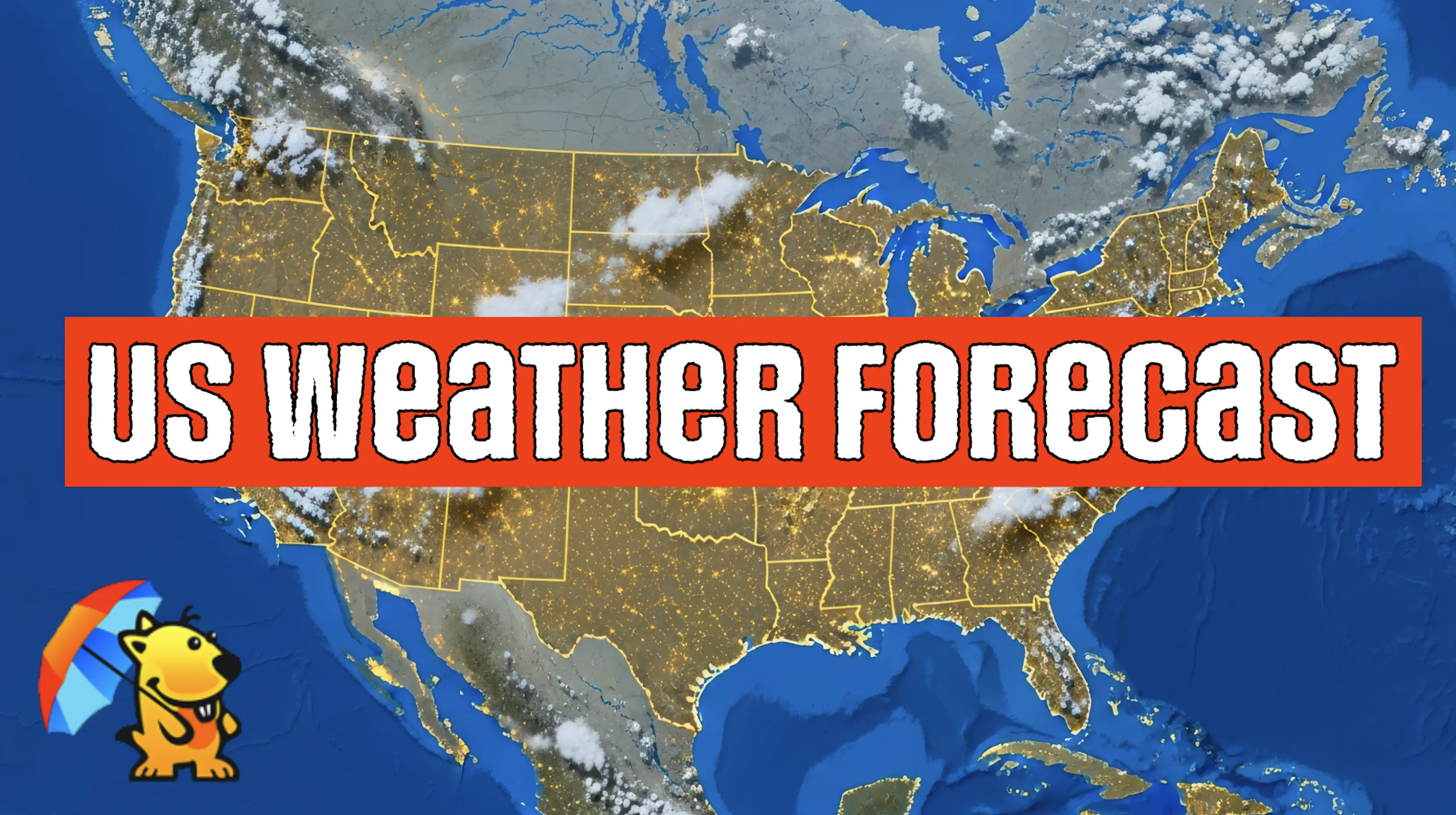
A major winter storm is forecast to sweep across the United States, bringing heavy rain and flood risk to the South, mountain snow in the West, and disruptive snowfall and ice across the Great Lakes and parts of the Midwest. Weather models indicate significant travel disruption, winter storm warnings, and rapidly changing conditions through mid-February.
A powerful cross-country winter storm is set to affect large portions of the United States, creating a complex mix of hazards that include heavy rain, winter snow storm conditions, icing, and dangerous travel. Meteorologists warn that this evolving system could impact millions from the Pacific Coast to the Great Lakes and the southern states.
Winter storm forecast: a nation-wide weather threat
According to the latest winter storm forecast, a deep low-pressure system is expected to track inland from the western United States before intensifying as it moves east. This system will tap into Pacific moisture while interacting with colder Arctic air, creating a classic multi-hazard winter weather setup.
The storm is expected to strengthen as it crosses the Rockies and reorganizes over the central Plains, increasing the likelihood of widespread weather winter storm warning products being issued across multiple states.
Heavy rain and flood risk in the southern United States
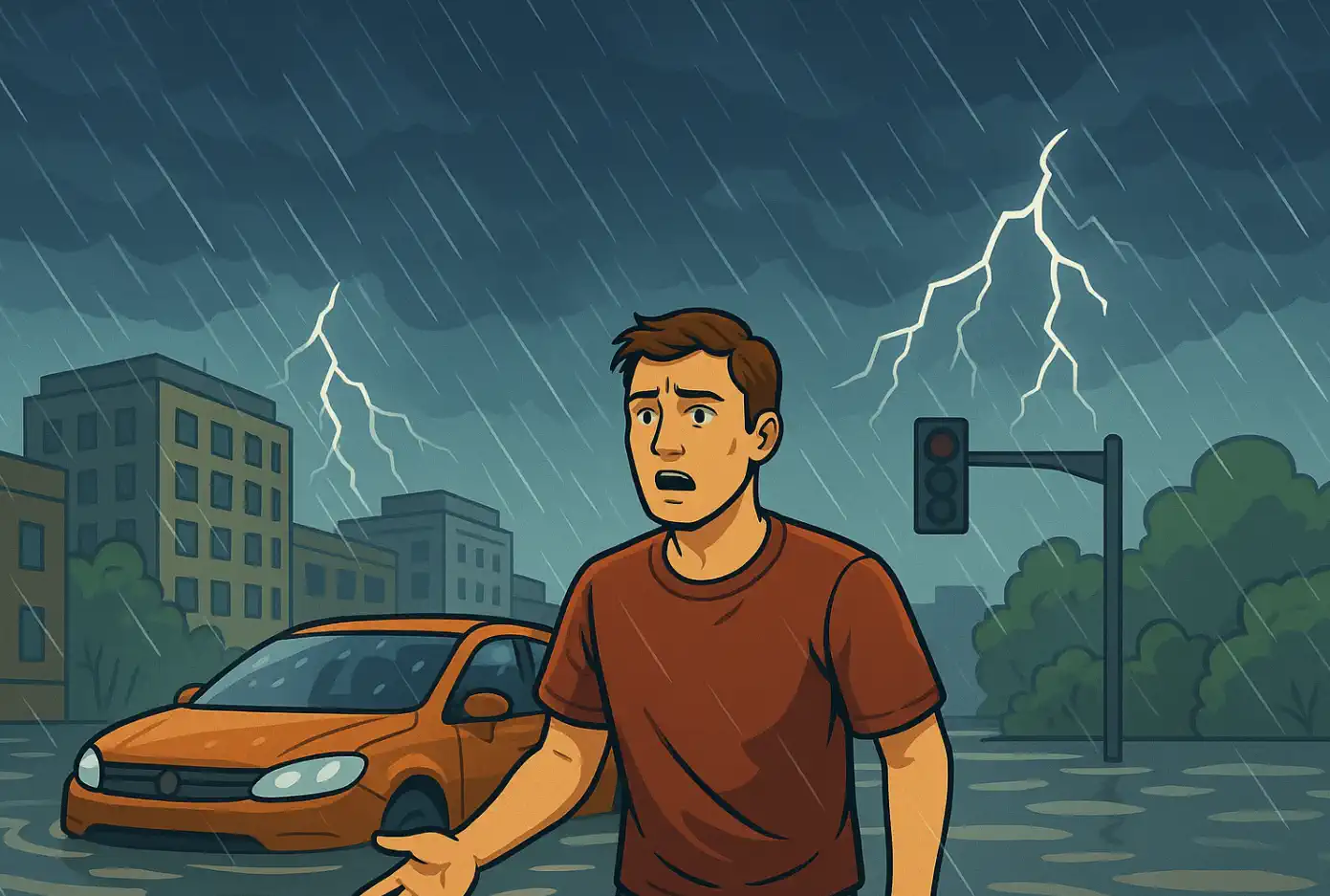
Across the southern United States, including parts of Texas, Louisiana, Mississippi, Alabama, and Georgia, the storm will primarily deliver heavy rainfall. Forecast guidance suggests prolonged downpours with locally intense rainfall rates, raising concerns about flash flooding and river flooding, especially in low-lying and urban areas.
Emergency managers are monitoring conditions closely as saturated ground from previous systems could amplify runoff. Travel disruptions and temporary road closures are possible, particularly during periods of peak rainfall.
Snow and ice expand across the West and Great Lakes
In contrast, colder air wrapping around the system will bring a significant winter snow storm to the western mountains, including the Sierra Nevada, the Cascades, and portions of the Intermountain West. Snow accumulations in higher elevations could be substantial, affecting mountain passes and ski corridors.
As the storm moves east, snow and mixed precipitation are forecast to spread into the Great Lakes region. Cities across the Midwest may experience snow, sleet, or freezing rain depending on the exact position of the temperature boundary. Even small shifts in the storm track could dramatically change local impacts.
Travel disruption and winter storm warning impacts
Transportation networks are likely to face significant stress. Airports across the central and eastern United States could experience delays and cancellations as snow and ice reduce runway efficiency. Major highways and interstates may become hazardous due to snow-covered pavement, black ice, and reduced visibility.
Meteorologists emphasize that winter storm warning map updates may change rapidly as the storm evolves. Travelers are urged to check forecasts frequently and consider delaying non-essential travel.
Why this winter storm is different
What makes this event notable is its scale and variety of hazards. Unlike localized winter storms, this system spans multiple climate zones, producing heavy rain in warm sectors and severe winter conditions in colder regions simultaneously. Such cross-country systems often lead to cascading impacts, from flooding in the South to power outages and icy roads farther north.
This setup reflects an active winter pattern driven by strong jet stream dynamics and sharp contrasts between Arctic and subtropical air masses.
What to expect next
Forecast models suggest that unsettled conditions may persist even after the main storm passes, with additional snow showers, lingering cold air, and refreezing risks overnight. Residents across affected regions should remain alert for updated winter storm warnings and advisories.
With conditions changing quickly, staying informed through official weather services and local authorities remains critical as this winter storm continues to evolve.
The Founder and Chief Meteorologist at Pogodnik.com. With over 15 years of operational experience in synoptic analysis and climate forecasting, he specializes in storm tracking, magnetic storms, and atmospheric dynamics. A recognized expert in Ukraine’s meteorological sector, he maintains strategic collaborations with global agencies, including NOAA and ECMWF, to ensure high-precision data integration. His analytical reviews and scientific contributions are regularly featured in leading media outlets dedicated to weather science and environmental trends.