
Allergy Calendar for September 2026 in Europe and the United States: Ragweed Peak, Mugwort, Mold, Heat, Storms and First Frost Relief
September is the peak month for many fall allergy sufferers across Europe and the United States. Spring tree pollen is no longer the main issue, and summer grass pollen is fading in most regions. The real problem now is weed pollen: ragweed, mugwort, pigweed, lamb’s quarters, nettle, plantain and other late-season plants. Mold spores also become more important after rain, wet leaves, humid nights and early autumn storms. In 2026, allergy symptoms may feel more intense during late heat waves, stagnant high-pressure patterns, wildfire smoke, ozone episodes, dust, dry winds and thunderstorms after warm days.
September 2026 allergy outlook. The highest risk is expected during warm, dry, windy periods and immediately after thunderstorms or humid rain events. Key risk windows are September 1–8, September 10–18 and September 22–30. In the United States, ragweed is expected to be the dominant fall allergen, with the strongest pressure in the Midwest, Ohio Valley, Great Plains, South, Mississippi Valley, Northeast and parts of the Mid-Atlantic. In Europe, the highest risk is likely in the Pannonian Basin, Balkans, northern Italy, Ukraine, Romania, Hungary, Serbia, Croatia, Poland and parts of Central and Eastern Europe. Mold, ozone, smoke and dust can make symptoms worse even when pollen counts are not extreme.

Navigation:
Main Allergens
Worst Days
Europe Risk Map
U.S. Risk Map
First Frost Relief
Rain, Wind and Storms
Cross-Reactive Foods
Recent Research
What to Do
FAQ
Mugwort: still active in Europe
Mold: after rain and wet leaves
Grass pollen: mostly residual
First frost: possible relief in the north
Main September Allergens in Europe and the U.S.
September allergy season is dominated by late-summer and early-autumn allergens. Ragweed is the headline trigger in the United States and a major problem in parts of Europe. Mugwort remains important across Europe, especially in central, eastern and south-eastern regions. Mold spores rise after rain, humid nights, storm damage and wet vegetation. In cities, pollen can mix with ozone, traffic pollution, smoke and dust, making symptoms feel stronger than pollen maps alone suggest.
| Allergen | September Activity | Where It Matters Most | What to Know |
|---|---|---|---|
| Ragweed | Very high in many regions; often near peak | U.S. Midwest, South, Great Plains, Ohio Valley, Mississippi Valley, Northeast, Mid-Atlantic; Europe: Pannonian Basin, Balkans, northern Italy, Ukraine, Romania, Hungary, Serbia, Croatia, eastern and south-eastern Europe | The main fall allergen. Symptoms often peak in September and may continue until the first hard frost. |
| Mugwort | High early in September, gradually declining later | Central Europe, Eastern Europe, Balkans, Germany, Poland, Austria, Hungary, France, northern Italy, Ukraine | A major European weed pollen. It can overlap with ragweed and trigger pollen-food reactions with celery, carrot and spices. |
| Pigweed / Amaranth weeds | Moderate to high locally | U.S. West, Southwest, Plains, warmer cities; southern and eastern Europe | A common fall weed pollen group, especially in dry, disturbed soil and vacant lots. |
| Lamb’s quarters / Chenopod weeds | Moderate to high locally | Dry fields, roadsides, disturbed land, U.S. West and Plains, parts of Europe | Often appears together with ragweed, pigweed and other late-season weeds. |
| Nettle | Moderate, locally high | Europe, damp green corridors, river valleys, parks, disturbed land | A common contributor to late-summer and early-autumn pollen in Europe. |
| Plantain | Moderate | Urban lawns, pathways, roadsides, parks, fields and suburban areas | Relevant in cities and suburbs, especially after mowing or soil disturbance. |
| Mold spores | High after rain, humid nights, storms and wet leaves | Humid regions, damp homes, basements, forests, compost, wet leaves, decaying vegetation | Mold can trigger congestion, cough, itchy eyes and asthma flares even when pollen falls after rain. |
| Grass pollen | Low to moderate, mostly residual | Cooler northern Europe, UK, Ireland, Scandinavia, northern U.S. states, mountain regions | No longer the leading September allergen in most areas, but can still irritate after mowing or dry windy weather. |
| Birch and alder | Very low | Mostly relevant for pollen-food syndrome history | Not important airborne allergens in September, but food cross-reactions may persist in sensitized people. |
September 2026 Allergy Risk Calendar: When Symptoms May Peak
| Period | Risk Level | Main Triggers | What Allergy Sufferers Should Expect |
|---|---|---|---|
| September 1–8 | High to very high | Ragweed, mugwort, mold spores, pigweed, plantain, ozone and heat | The month starts with strong fall pollen pressure. Warm, dry and windy days will be the worst, especially in ragweed zones. |
| September 9 | Moderate to high | Ragweed, mugwort, mold | A short transition day. Rain may reduce pollen, but humidity can increase mold exposure. |
| September 10–18 | Very high in many regions | Ragweed peak, mugwort, mold, dust, ozone, wildfire smoke | This is likely the strongest window of the month. In the U.S., mid-September is often the peak of ragweed season. In Europe, ragweed zones may also remain highly active. |
| September 19–21 | Variable | Ragweed, mold spores, first cold fronts | Cooler air may bring partial relief in northern regions. Warm sectors ahead of fronts can still push pollen higher. |
| September 22–30 | High in warmer regions, lower after frost in northern areas | Ragweed, mold spores, late weeds, wet leaves, smoke, dust | Southern and central regions may remain difficult. Northern areas can improve after a true hard frost, but mold may rise after rain and leaf litter. |
The worst September allergy setup: warm afternoons, dry wind, no recent rain, high ragweed or mugwort pollen, ozone or wildfire smoke, then a thunderstorm or humid night. In this pattern, symptoms may include sneezing, itchy eyes, nasal congestion, postnasal drip, cough, chest tightness, shortness of breath and asthma flare-ups.
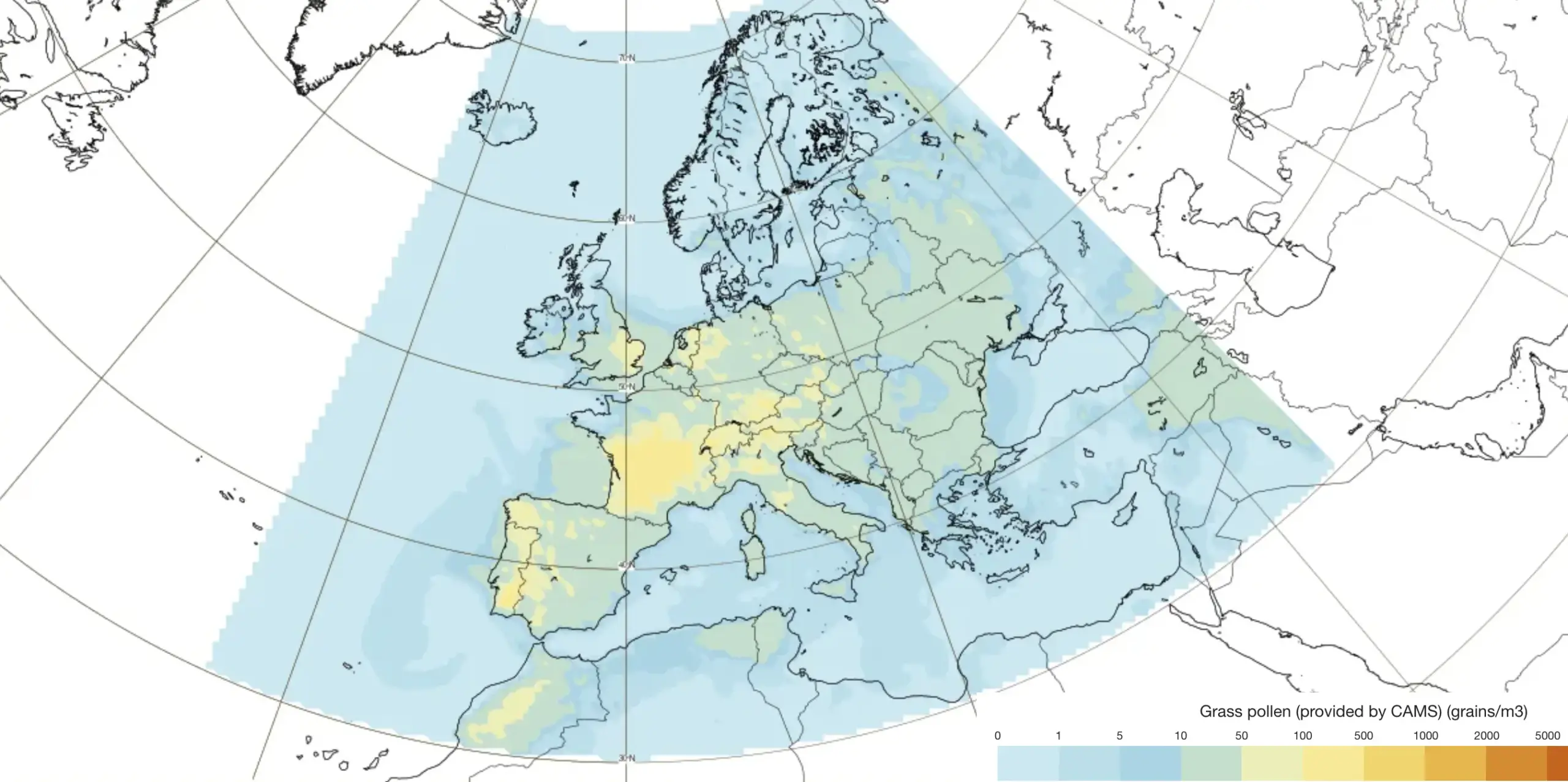
Europe Allergy Risk Map for September 2026
Across Europe, September is a late-weed and mold month. Ragweed is the most important allergen in its core European zones, especially around the Pannonian Basin, Balkans, northern Italy and parts of Eastern Europe. Mugwort remains active, especially in the first half of the month. Rain can temporarily reduce airborne pollen, but humid weather and wet vegetation raise mold risk.
High
Moderate
Lower
Very highHungary, Serbia, Croatia, Romania, northern Bosnia and nearby regions: core September ragweed risk, with mugwort and mold after storms.
Very highUkraine, Romania, Moldova, eastern Poland and nearby areas: ragweed, mugwort, dry weeds, dust and mold after rain.
HighPoland, Czechia, Slovakia, Austria, Hungary and Germany: ragweed in exposed zones, mugwort, nettle, plantain and mold after wet periods.
HighFrance, Belgium, Netherlands, Germany and Switzerland: mugwort, late weeds, mold, ozone and heat during warm September spells.
Moderate/highWeed pollen is lower than in core ragweed zones, but mold, late grasses and urban pollution can still cause symptoms.
HighSpain, Portugal, Italy, Greece and the Mediterranean: dry weeds, ragweed in northern Italy, dust, heat, ozone and mold after thunderstorms.
ModerateDenmark, southern Sweden, Norway, Finland and the Baltics: cooler nights reduce some pollen, but mold and local weed pollen remain possible.
United States Allergy Risk Map for September 2026
In the United States, September is the core month for ragweed allergy in many regions. Mold spores also become a major problem after rain, leaf litter, humid nights and storms. Wildfire smoke, dust and ozone can intensify symptoms even when pollen counts are only moderate.
Very highOne of the strongest September ragweed zones. Watch warm, dry, breezy days, corn/soy agricultural areas and storm-related mold spikes.
Very highRagweed, pigweed, grasses, dry wind, dust and heat can combine into strong respiratory irritation.
Very highRagweed, mold, humidity, ozone and storms can keep symptoms active for weeks. Relief often comes later than in northern states.
HighRagweed often peaks around mid-September, with mold after rain and ozone during late heat waves.
HighRagweed, mold, dust, ozone and thunderstorm asthma risk can overlap, especially during warm and humid spells.
Moderate/highDust, wildfire smoke, ozone, sagebrush, pigweed, local weeds and dry grasses may trigger symptoms even where ragweed is less dominant.
ModerateMold after wet periods, wildfire smoke and local weed pollen are the main concerns. Early frost can reduce weed pollen in higher elevations.
First Frost Relief: When the Season Starts to Break
The first real relief for ragweed-sensitive people usually comes after a hard frost strong enough to stop weed pollination. In September, this can begin in northern mountain areas, the northern Rockies, parts of the Upper Midwest, Scandinavia, the Baltic region and higher elevations of Europe. But in the southern U.S., the Balkans, northern Italy, southern France, Ukraine’s steppe regions and much of southern Europe, ragweed and late weeds can remain active well beyond September.
| Region | September Frost Chance | Allergy Impact |
|---|---|---|
| Northern mountains and high elevations | Possible late in the month | Weed pollen may drop sharply after a hard frost, but mold can remain after wet leaves and soil moisture. |
| Upper Midwest, northern Plains, interior northern Europe | Possible in colder years or late-month cold outbreaks | Some relief from ragweed is possible, but not guaranteed every year. |
| Central Europe and northern U.S. cities | Variable | Cool nights may reduce pollen intensity, but warm afternoons can restart release. |
| Southern Europe, southern U.S., Balkans, Ukraine steppe regions | Usually low in September | Ragweed, mugwort and other late weeds may remain active into October. |
How Rain, Wind and Thunderstorms Affect September Allergies
| Weather Pattern | Effect on Allergens | When Symptoms Improve or Worsen |
|---|---|---|
| Long steady rain | Washes pollen out of the air | Often brings relief for several hours or a day, especially from ragweed and mugwort. |
| Brief shower after warm dry weather | Pollen may settle briefly, then rebound quickly | Relief can be short-lived if warm wind returns the next day. |
| Thunderstorm after a hot pollen day | Pollen particles can become smaller and more breathable | Can be dangerous for people with asthma or severe weed pollen allergy. |
| Dry wind | Ragweed, mugwort and weed pollen travel long distances | Symptoms can worsen even far from fields, roadsides or vacant lots. |
| Cold front | Can temporarily lower pollen if followed by rain and cooler air | May help in northern regions; may also stir pollen and dust before the front arrives. |
| High humidity and wet leaves | Mold spores may increase | May worsen symptoms in people with mold allergy or asthma, especially indoors or near leaf piles. |
Cross-Reactive Foods in September: Pollen-Food Allergy Syndrome
Pollen-food allergy syndrome, also called oral allergy syndrome, can become especially noticeable in September because ragweed and mugwort are active. The immune system may mistake proteins in raw fruits, vegetables, herbs, nuts or spices for pollen-related proteins. Symptoms often include an itchy mouth, tingling tongue, scratchy throat or mild lip swelling. Severe swelling, breathing difficulty, vomiting, widespread hives or dizziness require urgent medical attention.
| Pollen Allergen | Possible Cross-Reactive Foods | Typical Symptoms | What to Know |
|---|---|---|---|
| Ragweed | Banana, cucumber, melon, watermelon, zucchini, squash-family foods, sunflower seeds | Itchy mouth, lip swelling, scratchy throat | Risk is often strongest in September, when ragweed pollen is near peak. |
| Mugwort | Celery, carrot, spices, caraway, coriander, fennel, mustard, parsley, mango | Oral allergy symptoms, sometimes stronger reactions | Mugwort can be linked to celery-mugwort-spice syndrome. |
| Grass pollen | Peach, celery, tomato, melon, watermelon, orange | Itchy mouth, throat irritation, discomfort after raw foods | Grass pollen is mostly residual in September, but sensitized people may still notice food reactions. |
| Birch | Apple, pear, peach, plum, cherry, carrot, celery, hazelnut, almond, soy | Itching of lips, tongue, palate and throat | Birch pollen is not a September airborne trigger, but food reactions may persist in sensitized people. |
| Alder and hazel | Similar to birch: apple, pear, stone fruits and nuts | Oral allergy syndrome | Important mostly for people with spring tree-pollen sensitivity. |
| Mold | No classic pollen-food pattern | Congestion, cough, itchy eyes, asthma symptoms | Symptoms are usually linked to damp buildings, wet leaves, compost, decaying grass and humid weather. |
What Recent Research Says About September Pollen, Heat and Allergies
| Research Area | What Scientists Have Found | Why It Matters in September |
|---|---|---|
| Climate and pollen seasons | Warmer seasons can lengthen pollen exposure and intensify allergen seasons. | Ragweed and late weeds may continue longer into autumn, especially before the first hard frost. |
| Ragweed and CO₂ | Higher CO₂ and warmer conditions can increase ragweed pollen production and allergenicity. | September can become more difficult in years with prolonged heat, drought or delayed frost. |
| Allergen proteins | Pollen counts alone do not always explain symptom severity; allergen protein load also matters. | People may feel very sick even when the raw pollen count is not record-high. |
| Thunderstorm asthma | Storm conditions can rupture pollen grains into tiny particles that reach deeper airways. | Storms after warm, high-pollen days are a serious risk for people with asthma. |
| Mold and damp buildings | Damp indoor spaces and airborne mold spores can worsen allergic rhinitis and asthma symptoms. | September rain, wet leaves and humid homes can keep symptoms active even when pollen drops. |
| Pollen and air pollution | Ozone, smoke and traffic pollution can irritate airways and amplify allergic inflammation. | Large cities, heat-wave regions and wildfire-smoke zones may feel worse than pollen maps alone suggest. |
| Automated pollen monitoring | New systems are improving automated pollen recognition and may make forecasts more detailed. | Future allergy forecasts may combine pollen type, allergen protein, weather and air quality more precisely. |
What to Do in September Allergy Season
- Check pollen, weather, wind, thunderstorms, humidity and air quality every day, especially on September 1–8, September 10–18 and September 22–30.
- If you are ragweed-sensitive, do not wait for the peak: prevention works better when started before symptoms become severe.
- During warm, dry and windy days, avoid fields, vacant lots, roadsides, unmowed lawns and weed-heavy areas.
- After being outside, wash your face, rinse your nose with saline, change clothes and wash your hair before bed.
- Do not dry laundry outdoors on high-pollen days because fabric collects allergens.
- Keep car windows closed and check cabin air filters before long trips.
- Stay indoors during thunderstorms after warm, high-pollen days, especially if you have asthma.
- Wear a mask and eye protection when clearing weeds, mowing grass, raking leaves or handling compost.
- Control indoor humidity and clean visible mold in bathrooms, basements, kitchens and around windows.
- Use medication according to your clinician’s plan: antihistamines, nasal sprays, eye drops and asthma treatment work best when used correctly and consistently.
- Do not rely on the calendar alone: check live pollen maps from SILAM/FMI, CAMS, Met Office, AAAAI National Allergy Bureau or local pollen services.
Seek urgent medical help if you develop wheezing, chest tightness, shortness of breath, severe swelling of lips or tongue, widespread hives, weakness, dizziness or rapid worsening after food exposure, smoke exposure, mold exposure or a thunderstorm.
When Allergy Sufferers Usually Feel Better in September
Relief is most likely after long steady rain, during cooler weather, when winds are light and when there has been no recent weed clearing, mowing or leaf disturbance. The strongest relief for ragweed sufferers comes after the first hard frost, but this usually arrives earlier in northern and mountain regions and much later in southern areas.
In coastal areas, symptoms may improve when the wind blows from the sea or ocean. But if the wind comes from inland fields, dry grasslands, farmland or weed-heavy areas, pollen levels can remain high even near the water. In cities, symptoms may ease after rain and street cleaning but worsen during heat, smog, wildfire smoke, dust episodes and stagnant air.

Track Weather Changes with Pogodnik
For allergy sufferers, pollen is only part of the story. Wind, rain, heat, humidity, thunderstorms, smoke and sudden temperature changes can shift symptoms within hours. The Pogodnik app helps you monitor weather, precipitation, wind and severe-weather changes so you can plan walks, travel and ventilation more safely.
Download it on Google Play: Pogodnik.
FAQ: September Allergies in Europe and the United States
What is the main allergy trigger in September?
Ragweed is the main September trigger in much of the United States and in important European ragweed zones. Mugwort, pigweed, lamb’s quarters, nettle, plantain and mold spores can also be important.
When is the highest allergy risk in September 2026?
The most likely high-risk windows are September 1–8, September 10–18 and September 22–30. The middle of the month is especially important for ragweed-sensitive people.
Does ragweed peak in September?
Yes. In many U.S. regions, ragweed season often peaks around mid-September. In Europe, the strongest September ragweed risk is usually in the Pannonian Basin, Balkans, northern Italy, Ukraine and parts of eastern and south-eastern Europe.
Does rain help pollen allergies?
Long steady rain usually lowers pollen levels. Short showers, thunderstorms and rapid warming afterward can bring pollen back quickly and may increase mold spores.
Can thunderstorms worsen asthma?
Yes. During thunderstorms, pollen grains can break into smaller allergenic particles that penetrate deeper into the lungs. People with asthma should stay indoors during storms and immediately afterward.
When does ragweed season end?
Ragweed usually continues until the first hard frost stops the plant from pollinating. This can happen earlier in northern and mountain regions and much later in southern areas.
Which foods can cross-react with ragweed?
Commonly reported cross-reactive foods include banana, cucumber, melon, watermelon, zucchini, squash-family foods and sunflower seeds. Symptoms often include an itchy mouth or scratchy throat, but stronger reactions require medical advice.
Sources
This article is based on seasonal pollen guidance from the Met Office; European pollen forecast products from SILAM/FMI and CAMS; allergy and mold guidance from CDC, AAFA, AAAAI and ACAAI; NOAA and WMO climate updates; meteorological reporting on heat domes, smoke and storm patterns; and recent research on climate change, ragweed allergenicity, thunderstorm asthma, pollen-food allergy syndrome and air-pollution effects on allergic disease. This material is informational and does not replace medical advice from an allergist or healthcare professional.