
September 2026 Fishing Forecast for Europe and the USA: Daily Bite Calendar, Moon Phases, Pressure and Water Temperature
September 2026 is a transition month for anglers across Europe and the United States. Summer heat may remain in southern regions, while cooler nights in northern and inland waters gradually improve oxygen levels, move baitfish and bring pike, zander, walleye, perch and smallmouth bass into stronger feeding patterns. This forecast combines Moon phases across European and U.S. time zones, solunar logic, pressure trends, expected water-temperature ranges and the most popular September target species.
Most difficult periods: September 3–5, September 14–15 and September 20–21, especially when pressure changes sharply, lakes are turning over or warm water remains low in oxygen.
Main seasonal shift: warm-water fish such as carp, largemouth bass and catfish remain productive in southern waters, while cooling northern and central waters increasingly favor pike, zander, walleye, perch, smallmouth bass and trout.

September 2026 weather background for anglers
Europe
The broad European seasonal signal favors warmer-than-average conditions across most of the continent, although confidence is lower in the far north and east. Southern and western Europe also carry a wetter-than-average autumn signal, but precipitation confidence is weaker than the temperature signal. For fishing, this points to a possible summer-like first half of September in many lowland waters, followed by increasingly useful nighttime cooling and more frequent frontal changes later in the month.
In southern Europe, warm reservoirs and rivers may continue to favor carp, catfish and low-light predator fishing. In central and western Europe, gradual cooling should improve perch, zander, pike and bream activity. In Scandinavia, the Baltic region, mountain waters and northern Britain, cooler water can bring strong predator and trout windows earlier in the month.
United States
The current NOAA September outlook favors above-normal monthly temperatures across much of the West, the southern Plains and the Southeast, with the strongest warm signal over the north-central Rockies and Intermountain West. The Northern Plains, Midwest, Northeast and parts of the Ohio Valley and Mid-Atlantic have weaker or mixed temperature signals.
Precipitation chances lean wetter across parts of the western United States, with smaller wet signals around the Central Plains, Ohio Valley and central Mississippi Valley. Drier-than-normal signals are indicated for the Pacific Northwest and western Great Lakes, although these precipitation signals are generally weaker. Anglers in the South and West should remain prepared for late-summer water temperatures, while northern lakes and rivers may transition into fall patterns more quickly.
September water-temperature guide
The ranges below are practical planning bands rather than hard biological limits. Actual water temperature varies by latitude, elevation, depth, current, lake turnover and recent weather. Measure the water at the fishing site whenever possible.
| Water temperature | Likely pattern | Strong Europe targets | Strong USA targets | Best approach |
|---|---|---|---|---|
| 22–28°C / 72–82°F | Late-summer pattern; short feeding windows and possible low oxygen in shallow water. | Carp, European catfish, tench, bream | Largemouth bass, catfish, bluegill, carp | Fish dawn, dusk, night, shade, current and deeper oxygenated edges. |
| 18–22°C / 64–72°F | Broad mixed-species window; baitfish and predators become more mobile. | Carp, perch, zander, bream, roach | Smallmouth bass, walleye, crappie, largemouth bass | Cover points, weed lines, channel edges and wind-blown shorelines. |
| 14–18°C / 57–64°F | Strong cool-water predator period and longer daytime feeding windows. | Pike, zander, perch, trout, roach | Walleye, northern pike, smallmouth bass, trout | Fish shallow transitions early and deeper structure during bright periods. |
| Below 14°C / 57°F | Late-month northern or high-elevation pattern; warm-water fish slow down. | Pike, zander, perch, trout | Walleye, pike, trout, muskie | Use slower retrieves, larger predator baits and stable-weather windows. |
Moon phases in September 2026 by time zone
The exact phase moment is global, but the local clock and sometimes the calendar date change by time zone. Local moonrise, moonset and Moon-overhead times must still be calculated for the exact fishing location.
| Moon phase | UTC | Europe | United States | Fishing interpretation |
|---|---|---|---|---|
| Previous Full Moon | August 28, 04:18 UTC | 05:18 BST / 06:18 CEST / 07:18 EEST | 00:18 EDT / August 27, 23:18 CDT / 22:18 MDT / 21:18 PDT | The post-Full-Moon effect may remain useful on September 1–2, especially at dawn, dusk and night. |
| Third Quarter | September 4, 07:51 UTC | 08:51 BST / 09:51 CEST / 10:51 EEST | 03:51 EDT / 02:51 CDT / 01:51 MDT / 00:51 PDT | A mixed period; stable pressure and slow presentations matter more than the phase alone. |
| New Moon | September 11, 03:27 UTC | 04:27 BST / 05:27 CEST / 06:27 EEST on September 11 | 23:27 EDT / 22:27 CDT / 21:27 MDT / 20:27 PDT on September 10 | The strongest dark-sky window of the month, especially September 8–12 when weather and pressure are stable. |
| First Quarter | September 18, 20:43 UTC | 21:43 BST / 22:43 CEST / 23:43 EEST | 16:43 EDT / 15:43 CDT / 14:43 MDT / 13:43 PDT | A useful secondary window around September 16–19, especially with cooling water and baitfish movement. |
| Full Moon | September 26, 16:49 UTC | 17:49 BST / 18:49 CEST / 19:49 EEST | 12:49 EDT / 11:49 CDT / 10:49 MDT / 09:49 PDT | The strongest late-month period, with excellent low-light potential from September 24–27. |
How pressure affects the September bite
Stable pressure
The most predictable fishing usually occurs when pressure changes very little for several hours. Fish are more likely to hold on repeatable structure and feed in recognizable windows.
Slow pressure fall
A gradual fall ahead of a front can trigger a short predator feeding burst. This can be productive for pike, zander, walleye, bass, perch and catfish, but leave the water before lightning or dangerous wind arrives.
Sharp fall or rapid rise
A sudden pressure change often disrupts the bite. After a strong front, fish may move deeper, tighten to cover or suspend until conditions stabilize.
High, stagnant pressure
Bright skies and prolonged high pressure can make clear-water fish cautious. Downsize tackle, use longer casts and focus on shade, current, deep edges or low-light hours.
September 2026 daily fishing forecast
The following ratings are a broad planning outlook for Europe and the United States. They combine Moon phase, general solunar timing, pressure behavior, seasonal water-temperature changes and typical September fish movement. They are not a substitute for a local weather forecast, tide table or location-specific solunar calendar.
September 1 — Good
September 2 — Good
September 3 — Fair
September 4 — Fair to Poor
September 5 — Fair
September 6 — Good
September 7 — Good
September 8 — Very Good
September 9 — Very Good
September 10 — Excellent
September 11 — Excellent
September 12 — Very Good
September 13 — Good
September 14 — Fair
September 15 — Fair
September 16 — Good
September 17 — Very Good
September 18 — Good to Very Good
September 19 — Good
September 20 — Fair
September 21 — Fair
September 22 — Good
September 23 — Good
September 24 — Very Good
September 25 — Excellent
September 26 — Excellent
September 27 — Very Good
September 28 — Good
September 29 — Fair
September 30 — Fair to Good
Top September fish in Europe
Carp
Practical water-temperature band: 18–24°C / 64–75°F
September cooling often extends feeding beyond dawn and dusk. Start with weed edges, silt-to-gravel transitions, overhanging cover and the first drop-off. Use corn, boilies, pellets, bread, worms or method-feeder presentations, but reduce feed if a cold front arrives.
Zander
Practical water-temperature band: 14–20°C / 57–68°F
Falling water temperature usually improves dusk and night activity. Target hard-bottom drop-offs, river channels, bridge shadow, current seams and baitfish routes with soft plastics, jigs, crankbaits or live bait where legal.
Northern pike
Practical water-temperature band: 12–18°C / 54–64°F
Pike become more comfortable as shallow water cools. Work weed edges, points, inflows and wind-blown shorelines with spoons, jerkbaits, swimbaits and spinnerbaits. Handle large fish quickly if water remains warm.
European perch
Practical water-temperature band: 15–21°C / 59–70°F
Perch follow baitfish toward weed lines, docks, rocks and channel edges. Small jigs, spinners, worms and minnows work well. On clear days, use natural colors; in stained water, add contrast.
Bream, roach and tench
Practical water-temperature band: 16–22°C / 61–72°F
Early September can still favor plant-based baits, while cooler late-month water often increases interest in maggots, worms and other animal baits. Fish light tackle around silt, reeds, slow current and deeper margins.
European catfish
Practical water-temperature band: 18–24°C / 64–75°F
Catfish remain strong during warm September nights, especially near holes, outside bends, bridges, snags and current seams. Cooling below the upper teens can shorten feeding windows. Use heavy bottom tackle and local legal baits.
Trout
Practical water-temperature band: 10–17°C / 50–63°F
September can reopen productive daytime windows in cooler rivers and mountain lakes. Focus on oxygenated runs, tailwaters, springs and deeper lake layers. Avoid catch-and-release fishing when water remains near or above 20°C / 68°F.
Asp
Practical water-temperature band: 15–21°C / 59–70°F
Asp often hunt visibly on current seams, river bends and wind-blown baitfish zones. Long casts with compact spoons, slim crankbaits and surface lures are effective, especially at dawn and during cloudy weather.
Top September fish in the United States
Largemouth bass
Practical water-temperature band: 20–27°C / 68–81°F
In southern waters, bass may stay in summer cover through much of September. Fish grass, wood, docks and deeper shade with topwater early, then jigs, soft plastics and crankbaits as the sun rises.
Smallmouth bass
Practical water-temperature band: 18–24°C / 65–75°F
Cooling water can produce one of the best smallmouth periods of the year. Target rocky points, current, shoals and baitfish schools with tubes, drop-shot rigs, jerkbaits and small crankbaits.
Walleye
Practical water-temperature band: 15–20°C / 59–68°F
Adult walleye feed efficiently in cool water and often move shallower at night as September progresses. Work thermocline edges, channels, reefs and shorelines with jigs, crankbaits and live minnows where legal.
Northern pike and muskie
Practical water-temperature band: 12–19°C / 54–66°F
Late-month cooling improves predator activity in northern states. Fish deep weed edges, river current and large points with jerkbaits, bucktails, swimbaits and large spoons.
Crappie and bluegill
Practical water-temperature band: 17–23°C / 63–73°F
Panfish often move from scattered summer positions toward brush, docks, bridge shade and weed edges. Use small jigs, minnows, worms, crickets and slip floats, adjusting depth until schools are found.
Channel, blue and flathead catfish
Practical water-temperature band: 20–27°C / 68–81°F
Warm southern water keeps catfish active, especially at night. Target outside bends, deep holes, dams, snags and current breaks with cut bait, live bait where legal, worms and heavy bottom rigs.
Trout
Practical water-temperature band: 10–17°C / 50–63°F
Cooling mountain streams, spring creeks and tailwaters improve trout conditions. Fish early if water is still warm; use flies, nymphs, spinners or natural baits where legal. Reduce handling when water approaches 20°C / 68°F.
Striped bass
Practical water-temperature band: 15–22°C / 59–72°F
Cooling reservoirs and tidal estuaries can bring striped bass closer to bait schools and moving water. Use topwater, swimbaits, spoons and live bait where legal, and time trips around tide changes and low light.
Regional September strategy
Southern Europe
Expect summer tactics to remain useful early in the month. Carp and catfish can stay strong after dark, while zander and perch improve after fronts or cooling nights. Reservoirs may remain stratified, so fish the deepest water that still holds adequate oxygen rather than automatically targeting the bottom.
Central and Western Europe
Cooling nights should gradually improve mixed-species fishing. Carp, bream and roach remain reliable, while perch, pike and zander become increasingly important. Rain can improve river flow, but heavy runoff may temporarily muddy smaller rivers.
Northern Europe and mountain waters
September can quickly become a predator and trout month. Pike, perch, zander and trout often benefit from falling water temperatures, although strong fronts and early lake turnover can scatter fish.
Southern and Southeastern USA
Warm water may persist through most of September. Largemouth bass, catfish, bluegill and crappie remain productive, but early morning, evening and night are often best. Tropical rain or sharp thunderstorms can change river levels and water clarity quickly.
Midwest, Great Lakes and Northeast
Cooling water can improve walleye, smallmouth bass, pike, perch and crappie fishing. Follow baitfish toward reefs, points, river mouths and shallow nighttime feeding routes. Be prepared for lake turnover in some inland waters.
Western USA and high-elevation waters
Warm conditions may linger in many western regions, while mountain lakes and streams cool rapidly. Bass and catfish remain active in lower-elevation water, while trout and smallmouth improve where water temperatures fall into safer, oxygen-rich ranges.
How to use this September 2026 fishing forecast
Start with the daily rating, then refine the trip using the exact local Moon-overhead, Moon-underfoot, moonrise and moonset times. Check the pressure trend rather than only the absolute pressure value. Measure water temperature, watch baitfish and avoid assuming fish will remain at the same depth throughout the day.
The strongest real-world result usually occurs when several factors overlap: a favorable Moon window, stable pressure, a safe west or southwest breeze, low light, moving water and a temperature range that suits the target species.
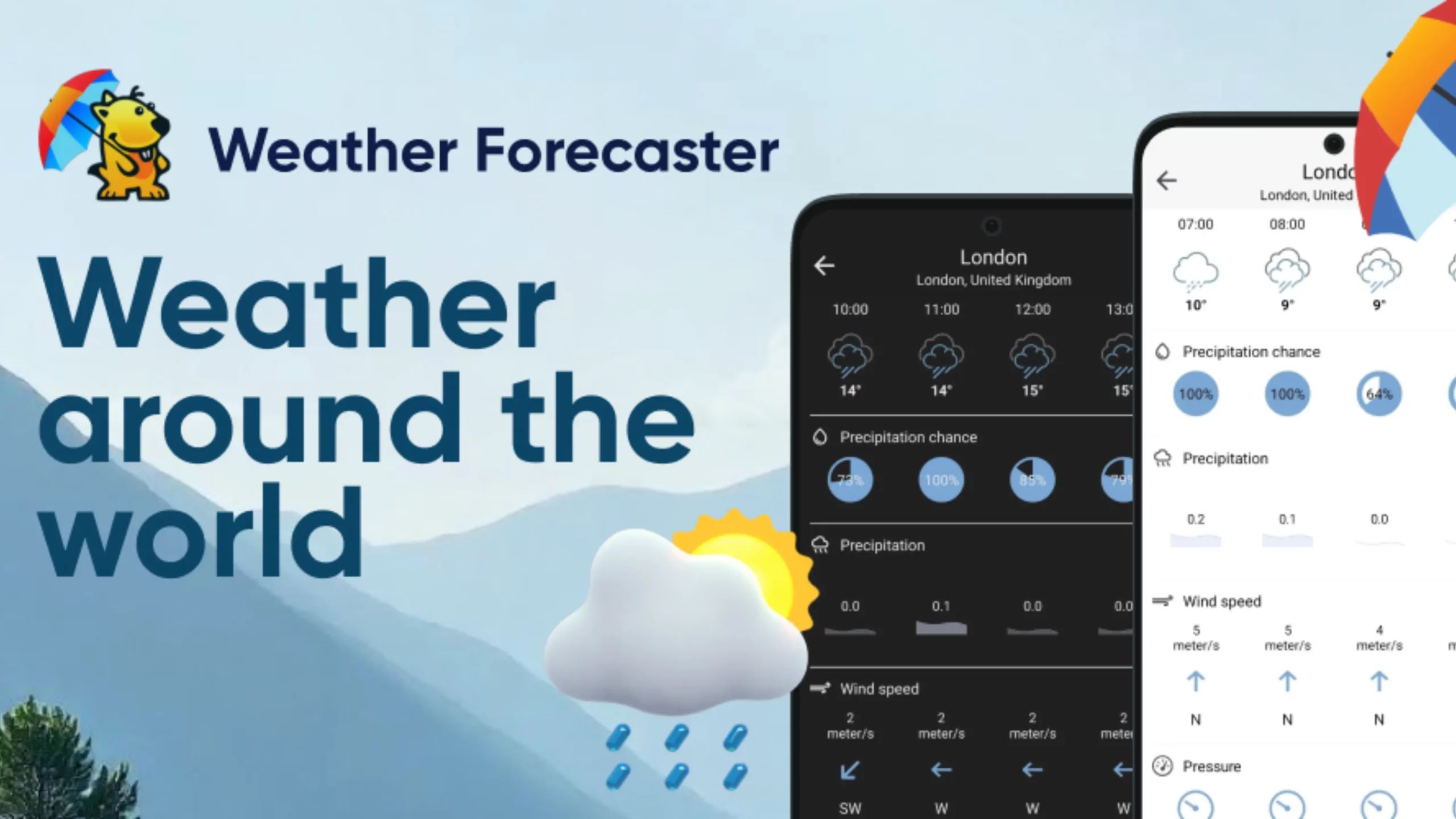
Before leaving, check local licensing, seasonal closures, size and bag limits, boating rules and weather warnings. Use the
to monitor temperature, wind, pressure and thunderstorms for the fishing location.
Forecast methodology
The astronomical times are converted from the September 2026 lunar phase schedule. The weather background uses the current official NOAA September outlook for the United States and the latest Copernicus seasonal signal for Europe. Water-temperature ranges are practical planning estimates based on typical September cooling and the official atmospheric outlook; they are not site-specific water forecasts.