Tornadoes, nature’s most violent storms, have once again unleashed chaos across the American Midwest, leaving communities reeling and meteorologists scrambling to predict the next strike. In April 2025, a series of severe weather events swept through states like Arkansas, Texas, Oklahoma, and the Mississippi Valley, spawning destructive tornadoes and highlighting the raw power of these atmospheric giants. From Lonoke County’s devastating twister to the 15 tornadoes that tore through Texas and Oklahoma in a single day, the Midwest is grappling with a turbulent spring. This article dives into the recent tornado outbreaks, their impacts, and what makes these storms so unpredictable and dangerous.
A Trail of Destruction in Lonoke County, Arkansas
On April 20, 2025, a powerful tornado touched down in Lonoke County, Arkansas, carving a path of destruction through rural landscapes and small communities. According to reports from Watchers News, the twister caused significant structural damage, toppling trees, shredding roofs, and scattering debris across fields. The National Weather Service (NWS) confirmed the tornado’s intensity, rating it on the Enhanced Fujita (EF) scale, though specific details are still under review. Fortunately, no fatalities were reported, but the event underscored the vulnerability of rural areas to sudden, violent weather.
The Lonoke County tornado was part of a broader severe weather system that swept through the Midwest, fueled by a volatile mix of warm, moist air from the Gulf of Mexico and a powerful cold front. This atmospheric collision created ideal conditions for supercell thunderstorms, the breeding grounds for tornadoes. Residents described the storm‘s rapid onset, with dark, rotating clouds and a deafening roar signaling the tornado’s approach. Emergency services were quick to respond, but the damage to homes and infrastructure will take weeks, if not months, to repair.
Texas and Oklahoma: A Tornado Onslaught
Just days earlier, on April 19, Texas and Oklahoma faced their own tornado nightmare. Watchers News reported that 15 confirmed tornadoes tore through the two states, a staggering number for a single day. The storms brought destructive winds, hail the size of golf balls, and flash flooding, compounding the chaos. In Texas, rural communities bore the brunt of the damage, with barns, homes, and power lines reduced to rubble. Oklahoma City’s suburbs also reported significant impacts, including downed trees and flooded roads.
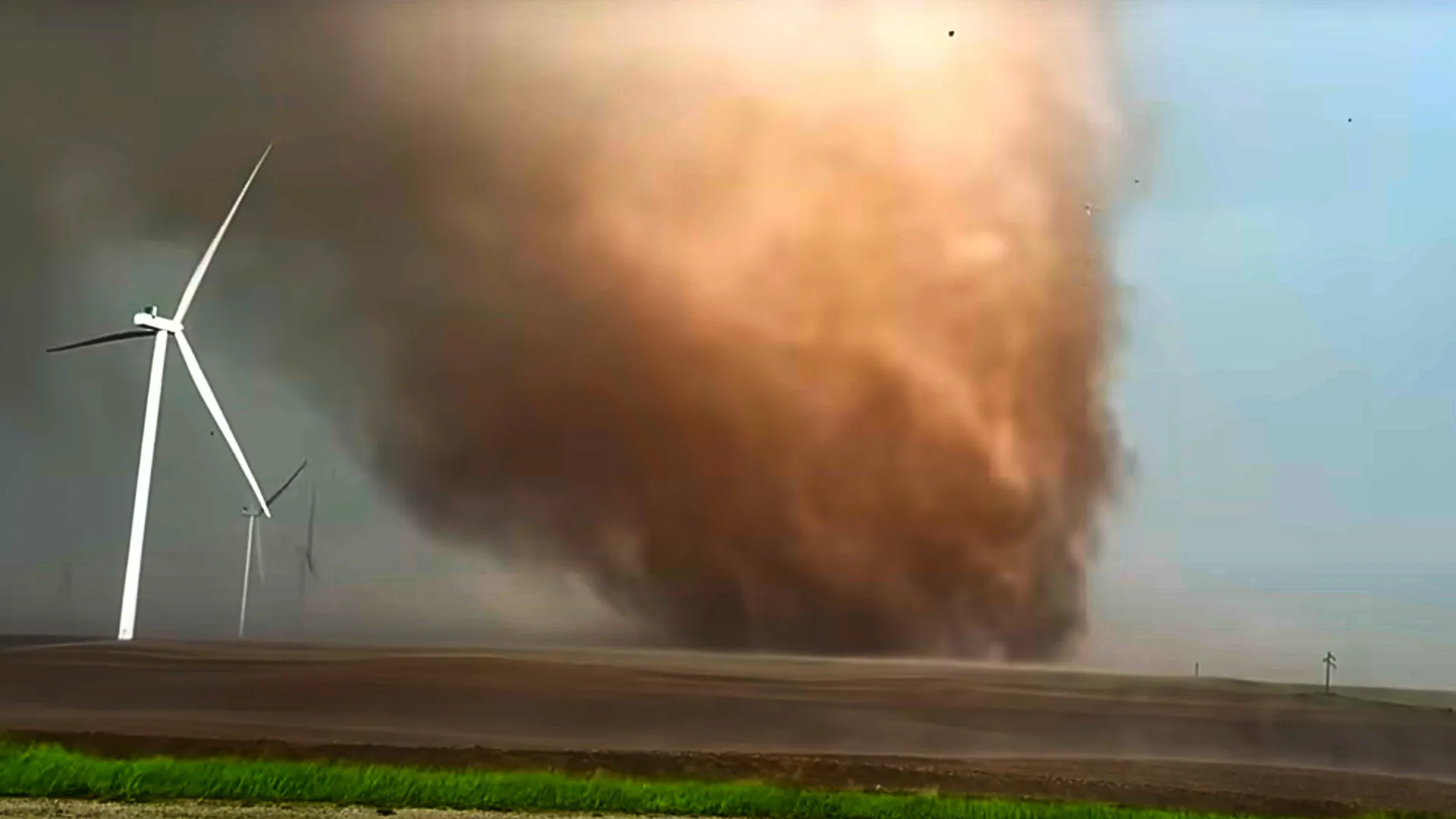
The NWS issued multiple tornado warnings as the storms progressed, urging residents to seek shelter immediately. The Enhanced Risk forecast for severe weather, issued by the Storm Prediction Center (SPC), proved accurate as the tornadoes struck with little warning. Videos captured by storm chasers showed massive, wedge-shaped funnels tearing across open plains, a chilling reminder of the region’s tornado-prone geography. While no deaths were reported, injuries and property damage were widespread, prompting local governments to declare states of emergency.
Mississippi Valley Braces for More
As the weekend progressed, the severe weather threat shifted eastward. On April 20, the SPC issued an Enhanced Risk forecast for the Mississippi Valley, warning of another round of severe storms capable of producing tornadoes, large hail, and damaging winds. The region, already battered by earlier storms, faced heightened anxiety as meteorologists tracked the developing weather system. The combination of high humidity, strong wind shear, and an unstable atmosphere set the stage for another potential outbreak.
The Mississippi Valley’s vulnerability to tornadoes is well-documented. Its flat terrain and proximity to warm Gulf air make it a hotspot for severe weather, particularly in spring. The recent storms have only amplified concerns about the region’s preparedness, as communities struggle to recover from earlier damage while bracing for more. The SPC’s proactive warnings and real-time updates were critical in helping residents stay informed, but the unpredictable nature of tornadoes remains a formidable challenge.
The Science of Tornadoes: Why Are They So Dangerous?
Tornadoes are among the most destructive natural phenomena, capable of producing winds exceeding 200 miles per hour. They form within supercell thunderstorms, where rotating updrafts (mesocyclones) tighten into a violent vortex. The exact mechanisms that trigger tornado formation are still not fully understood, making them difficult to predict with precision. Advances in radar technology, such as Doppler radar, have improved detection, but tornadoes can still form and dissipate in minutes, leaving little time for warnings.
The Enhanced Fujita Scale, used to classify tornadoes, ranges from EF0 (weak, with winds of 65-85 mph) to EF5 (catastrophic, with winds over 200 mph). Even weaker tornadoes can cause significant damage, toppling trees and flipping vehicles, while stronger ones can level entire neighborhoods. The recent tornadoes in Arkansas, Texas, and Oklahoma likely ranged from EF1 to EF3, based on preliminary damage assessments, though final ratings are pending.
Tornadoes are also unpredictable in their paths. Unlike hurricanes, which follow broader, more predictable trajectories, tornadoes can zigzag across the landscape, striking one area while sparing another just miles away. This randomness, combined with their speed and intensity, makes them a nightmare for emergency planners and residents alike.
Human and Economic Toll
The human toll of the recent tornadoes is still being assessed. While no fatalities were reported in the April 19-20 outbreaks, injuries, displacement, and psychological trauma are significant concerns. Rural communities, often lacking robust infrastructure, face long recovery periods. Power outages, disrupted water supplies, and damaged roads further complicate relief efforts.
Economically, the damage is likely to run into the millions. Homes, businesses, and agricultural assets have been destroyed, and insurance claims are expected to spike. For farmers in Texas and Arkansas, the loss of crops and livestock is a devastating blow, especially in an already challenging economic climate. Federal and state aid will be critical in helping these communities rebuild, but the process will be slow and costly.
Climate Change and Tornado Trends
While individual tornado events cannot be directly attributed to climate change, scientists are studying how warming temperatures may influence severe weather patterns. Warmer air holds more moisture, potentially fueling stronger thunderstorms. Changes in jet stream patterns could also alter the frequency and intensity of tornado outbreaks. However, tornadoes are highly localized and variable, making long-term trends difficult to pinpoint.
The Midwest’s “Tornado Alley,” traditionally encompassing Texas, Oklahoma, Kansas, and Nebraska, may be shifting eastward, with states like Arkansas and Mississippi seeing increased activity. The recent outbreaks align with this trend, raising questions about how communities can adapt to a changing risk landscape.
The recent tornadoes highlight the importance of preparedness. Residents in tornado-prone areas are urged to have emergency plans, including access to sturdy shelters or basements. Mobile apps and weather radios can provide real-time alerts, while community drills can improve response times. Local governments are also investing in better forecasting tools and infrastructure upgrades to mitigate damage.
For individuals, simple steps can make a difference: securing heavy objects, reinforcing windows, and keeping emergency kits stocked with food, water, and medical supplies. After the storm, staying clear of downed power lines and reporting hazards to authorities is critical.
Looking Ahead
As the Midwest recovers from the April 2025 tornadoes, the threat of more severe weather looms. Meteorologists are closely monitoring conditions, with the potential for additional storms in the coming weeks. The resilience of affected communities will be tested, but so too will their ability to adapt and prepare for future threats.
Tornadoes are a stark reminder of nature’s power and unpredictability. While science has made strides in understanding and forecasting these storms, their sudden onset and devastating impact continue to challenge even the most prepared regions. For now, the Midwest picks up the pieces, hoping for calmer skies ahead.
The Founder and Chief Meteorologist at Pogodnik.com. With over 15 years of operational experience in synoptic analysis and climate forecasting, he specializes in storm tracking, magnetic storms, and atmospheric dynamics. A recognized expert in Ukraine’s meteorological sector, he maintains strategic collaborations with global agencies, including NOAA and ECMWF, to ensure high-precision data integration. His analytical reviews and scientific contributions are regularly featured in leading media outlets dedicated to weather science and environmental trends.