Extreme Heat Alerts Issued: Dangerous Heat Dome to Grip Central & Eastern U.S.
A powerful heat dome is forecast to settle over the central and eastern United States beginning June 20, potentially impacting over 220 million people. This system is expected to usher in the first major heat wave of the 2025 summer season, with daytime highs surpassing 100°F (38°C) and minimal relief at night.
Regions Most at Risk
The National Weather Service (NWS) has issued Level 3 to Level 4 HeatRisk Alerts for:
Midwest and Great Plains: Eastern Colorado, Kansas, Nebraska, Missouri, Iowa, Illinois, Indiana, and Ohio
Northeast and Mid-Atlantic: Pennsylvania, New Jersey, New York City, Philadelphia, Washington, D.C., and parts of New England
Heat Index & Humidity
With dew points in the mid-70s°F (mid-20s°C), the heat index — what it actually feels like — may exceed 110°F (43°C) in several locations. Nighttime lows will remain uncomfortably warm, between 75–80°F (24–27°C), increasing health risks by limiting nighttime cooling.
Health Risks
The extended duration of high heat increases the threat of:
Heat exhaustion and heatstroke
Dehydration and cardiovascular stress
Elevated danger for the elderly, infants, and those without air conditioning
Thunderstorms, some severe, are likely along the edges of the heat dome, especially from Texas and New Mexico through the central Plains and into the interior Northeast. These could bring torrential rain and isolated flash flooding.
Summer 2025 Outlook: Hotter, Drier, and Longer Heatwaves
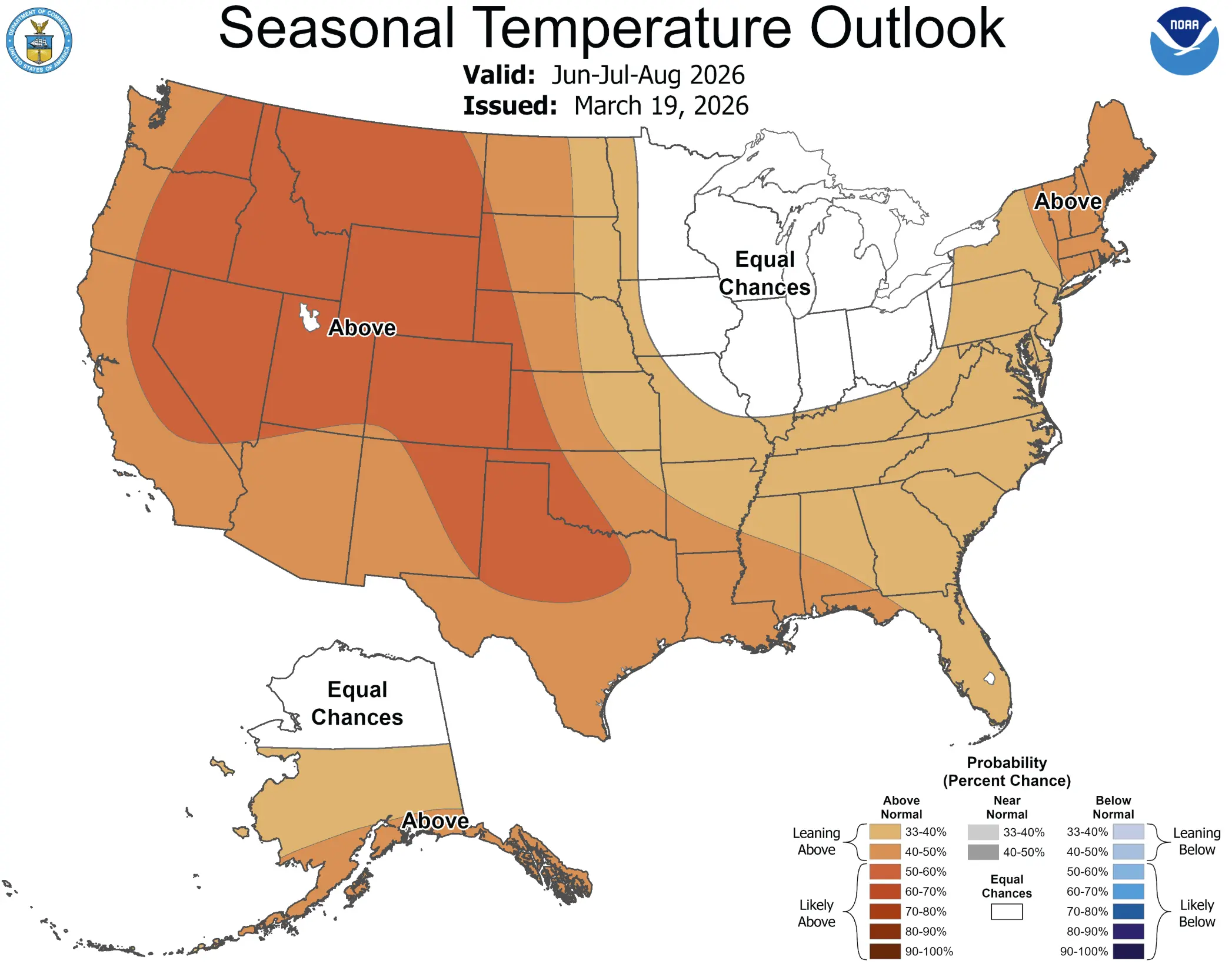
According to NOAA’s seasonal outlook, above-average temperatures are expected for most of the contiguous U.S. throughout June, July, and August. The heat dome forming this month may be just the first of several episodes this summer.
Western U.S.: Hot and dry, especially in California and the Southwest, with ongoing drought stress
Central U.S.: Repeated heatwaves and below-average rainfall could impact agriculture and energy demand
Eastern U.S.: Warmer than average with high humidity and more frequent tropical air intrusions
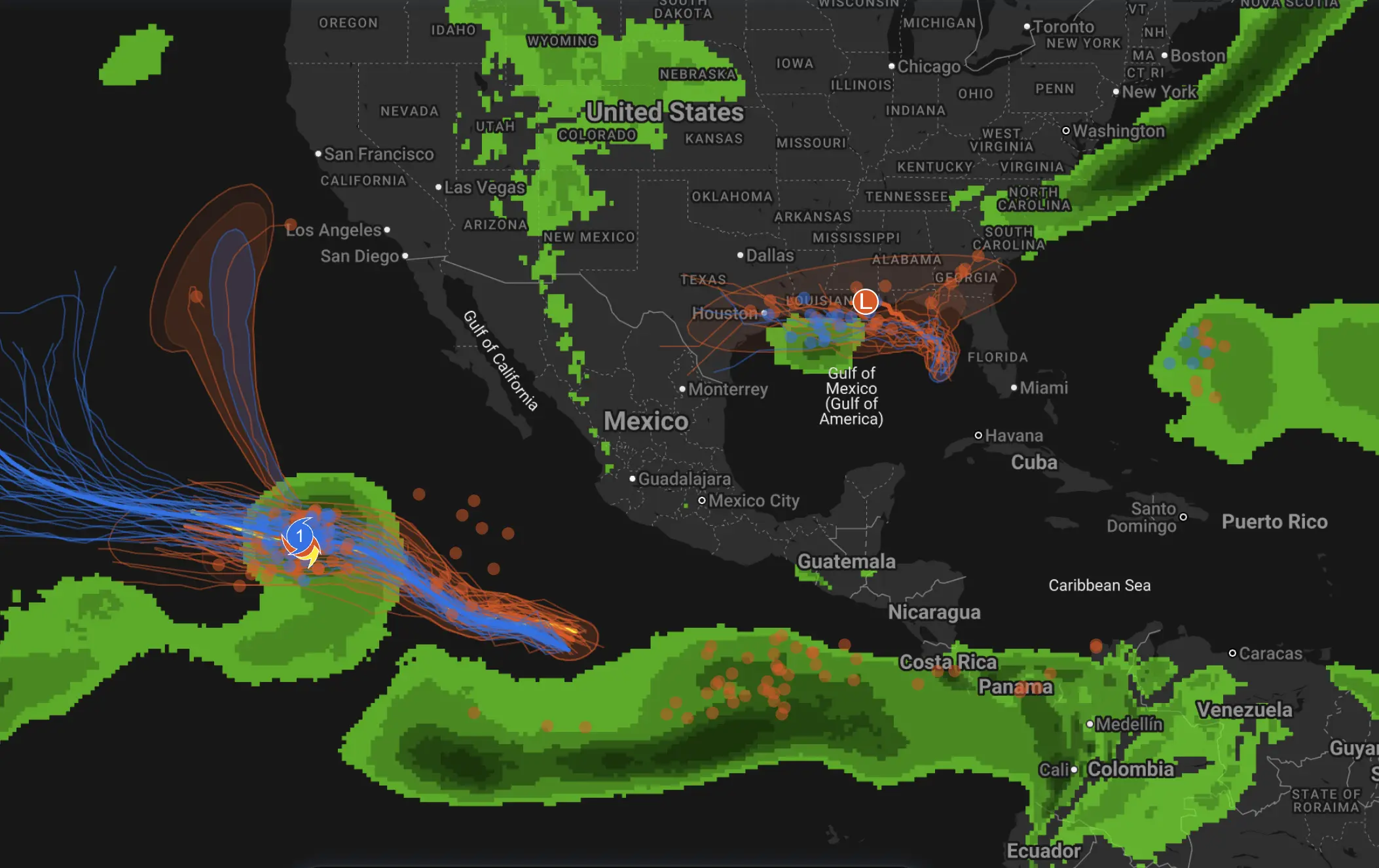
Hurricane Season: Active outlook for the Atlantic basin, which could influence late-summer rainfall patterns in the Southeast
The Founder and Chief Meteorologist at Pogodnik.com. With over 15 years of operational experience in synoptic analysis and climate forecasting, he specializes in storm tracking, magnetic storms, and atmospheric dynamics. A recognized expert in Ukraine’s meteorological sector, he maintains strategic collaborations with global agencies, including NOAA and ECMWF, to ensure high-precision data integration. His analytical reviews and scientific contributions are regularly featured in leading media outlets dedicated to weather science and environmental trends.