Spring 2025 Forecast: La Niña’s Cold Grip to Split the U.S. and Canada in Two
The spring season of 2025 (March-April-May) in the United States and Canada will be significantly influenced by the cold phase of La Niña, which has recently intensified in the Pacific Ocean. This oceanic phenomenon will affect the location of the jet stream, which will determine weather conditions in the region. The high pressure in the North Pacific and the low pressure zone over Canada are expected to form characteristic weather anomalies, dividing the continent into two climatic poles.
Pressure and jet stream
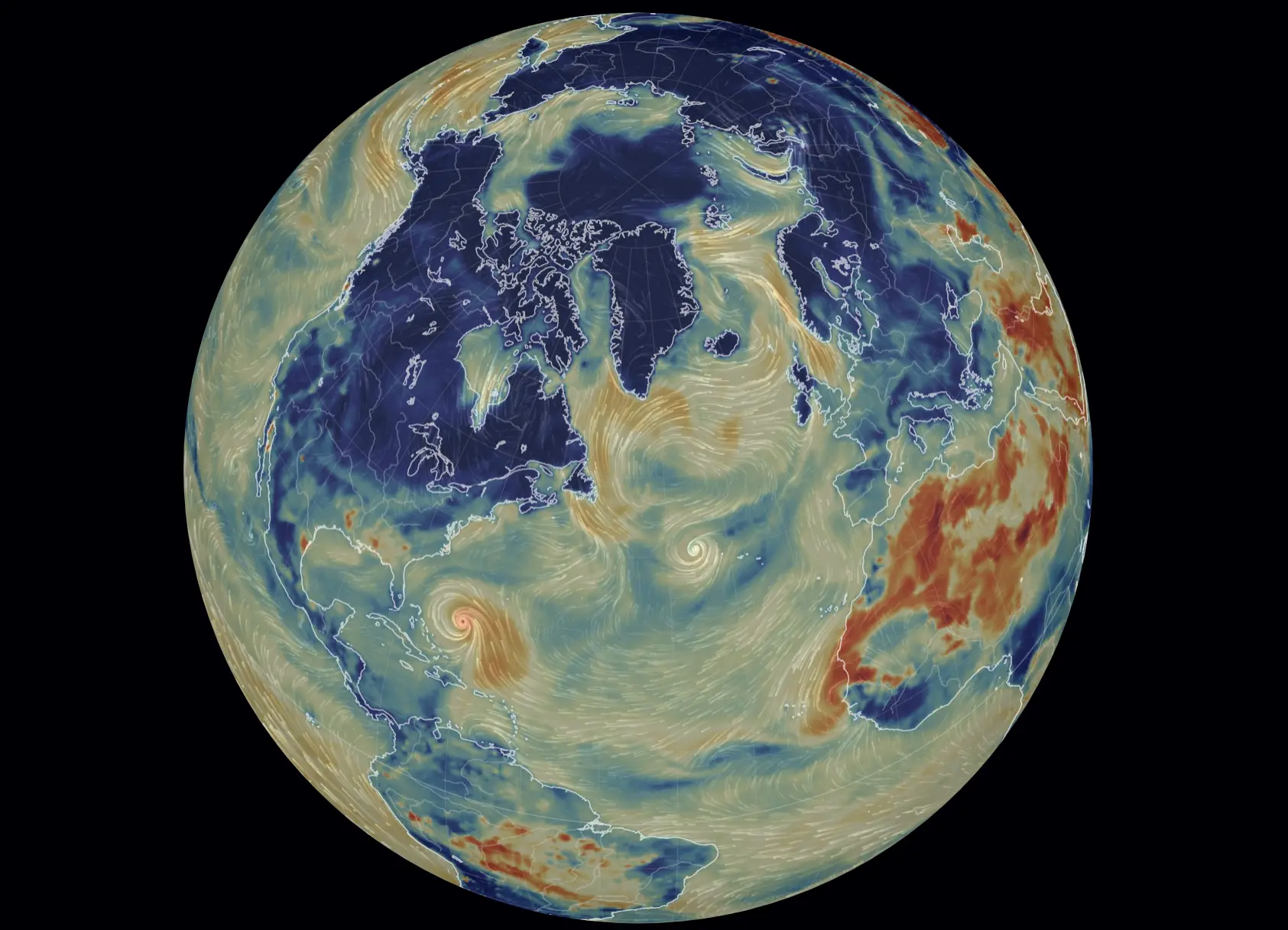
On average, during La Niña seasons, the jet stream shifts to the northwest and north of the United States, bringing colder air to these regions, while the southeastern states remain warmer. The high pressure area in the Pacific Ocean will direct storm systems and cold air masses to the northern part of the United States and Canada, while the subtropical jet stream will be weaker, reducing precipitation in the southern United States.
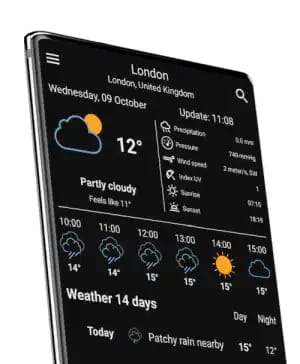
📲 Stay up to date with the weather with the Weather Forecaster for Android.
Wondering how La Niña will affect your region this spring? Don’t leave it to chance! With the Pogodnik Weather app, you’ll get accurate forecasts, real-time weather updates, and severe weather alerts — all in one place.
✅ Hourly and 14-day forecasts ✅ Severe weather alerts for your safety ✅ Push notifications with tomorrow’s weather ✅ User-friendly interface and customizable widgets
Northern and central US states: Colder air is forecast to arrive intermittently, especially in early spring, despite average temperatures being slightly above normal in some areas. This is due to fluctuations in the jet stream. Southern and eastern states of the United States: Mostly warmer than normal temperatures are expected due to the weaker influence of cold fronts. Canada: An area of low pressure over Canada will keep cold air close, leading to colder temperatures, especially in the western and central provinces.
Precipitation.
Northwestern United States and eastern states: More precipitation than usual is forecast due to the jet stream activity, which will direct wet systems to these regions. Southwest and southeastern United States: Less precipitation due to a weaker subtropical jet stream, which is typical of La Niña. Canada: Increased precipitation is expected in the western regions, particularly in British Columbia, due to the influence of Pacific storms.
Snowfall.
For March-May, less snow than usual is forecast for the western and northern states of the United States, which contrasts with the typical weak La Niña seasons, when snowfall in these regions is usually above average. This may indicate a faster transition to warmer weather.
The Founder and Chief Meteorologist at Pogodnik.com. With over 15 years of operational experience in synoptic analysis and climate forecasting, he specializes in storm tracking, magnetic storms, and atmospheric dynamics. A recognized expert in Ukraine’s meteorological sector, he maintains strategic collaborations with global agencies, including NOAA and ECMWF, to ensure high-precision data integration. His analytical reviews and scientific contributions are regularly featured in leading media outlets dedicated to weather science and environmental trends.