Nature’s Wrath: China’s Unprecedented Storm Leaves Trail of Devastation
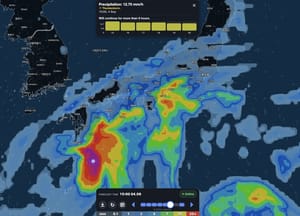
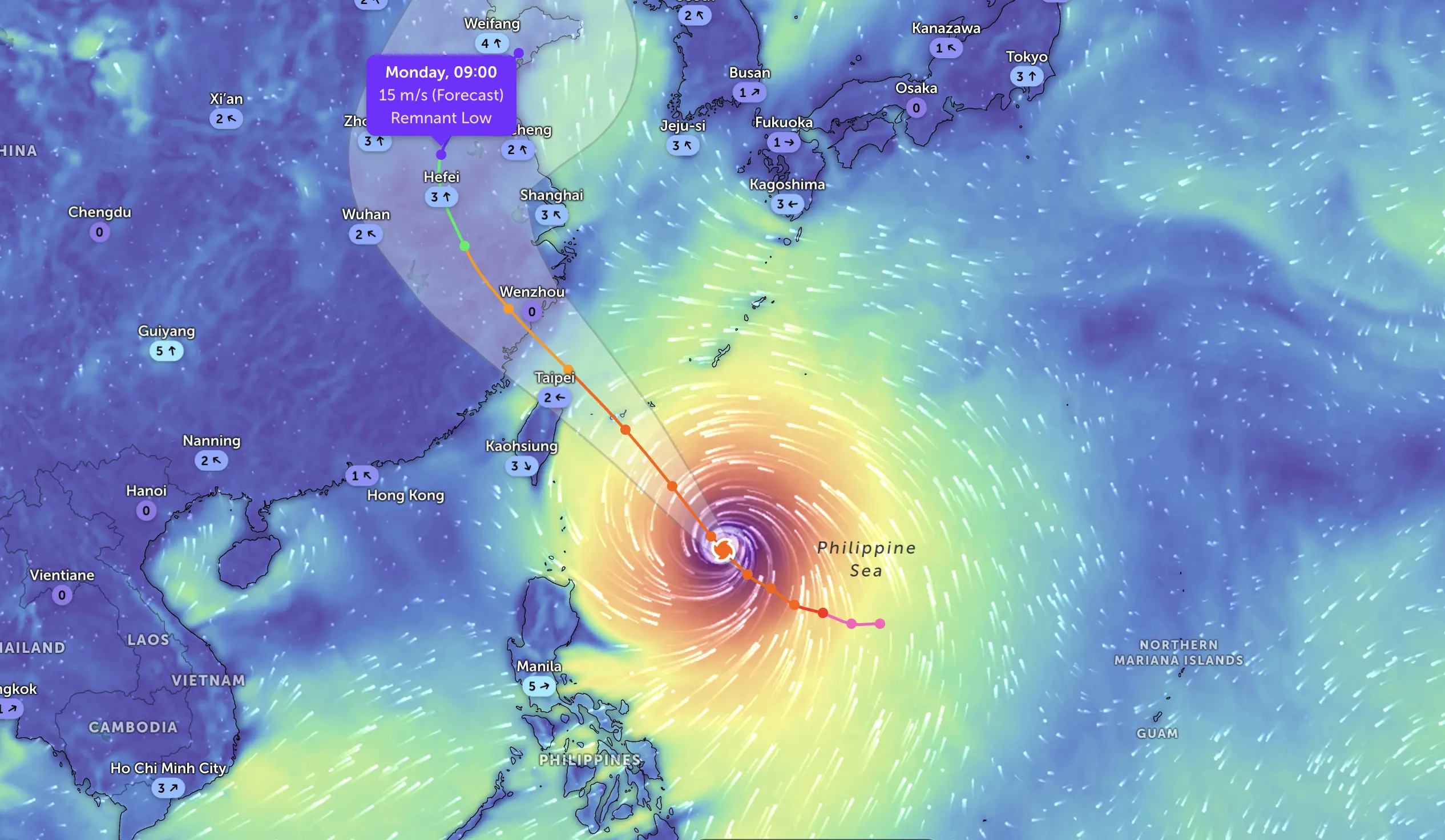
In an unprecedented display of nature’s fury, a powerful storm system swept across northern and central China over the past 24 hours, leaving a trail of destruction and havoc in its wake. Meteorologists were left stunned by the sheer intensity of the event, which brought fierce winds, torrential rain, and sudden temperature drops to multiple provinces, including Beijing, Tianjin, Hebei, Inner Mongolia, and Liaoning.
The scale of the storm was unlike anything witnessed in decades, with wind gusts reaching up to a staggering 150 km/h in some areas. These extreme conditions triggered widespread transportation disruptions, structural damage, power outages, and emergency evacuations across the affected regions.
In the nation’s capital, Beijing, residents woke up to chaotic scenes as trees were uprooted, traffic signs were ripped from the ground, and debris was scattered across the streets. More than 200 flights were canceled at the city’s major airports, and rail services on several lines were suspended, leaving commuters stranded and businesses disrupted.
Powerful storm system
Authorities responded swiftly by elevating the weather alert to orange, the second-highest level, urging citizens to stay indoors and avoid unnecessary travel. Public parks, museums, and outdoor spaces were closed, and all large-scale public events were postponed as a precautionary measure.
The suburban and mountainous areas around Beijing were hit even harder. In districts such as Yanqing and Huairou, wind speeds reached over 32 m/s, toppling utility poles and damaging homes. In rural areas, power lines collapsed under the combined weight of snow and wind, leaving entire villages without electricity. Emergency services were deployed in full force, with over 3,000 personnel mobilized to conduct inspections of critical infrastructure, restore electricity, and clear blocked roads.
The storm‘s wrath was not confined to northern China. In the southern coastal province of Guangdong, a sudden tornado tore through the city of Jieyang, destroying factory buildings and flipping vehicles. At least five people lost their lives, and over 30 others were injured in the incident.
In Hunan Province, continuous heavy rain led to devastating landslides, particularly in the city of Hengyang, where at least 15 people were confirmed dead, and 21 remained missing by midday. Emergency responders worked through the night, searching through rubble and mud to locate survivors and bring them to safety.
Further inland, in Jingzhou, Hunan, over a thousand road collapses were reported, cutting off access to remote communities and complicating rescue efforts. Emergency shelters were set up in schools and community centers, with thousands of families forced to abandon their homes due to flooding and structural instability. The death toll in Hunan alone rose to 48 within a matter of hours, with dozens more still unaccounted for.
Meanwhile, in the coastal province of Fujian, authorities ordered the evacuation of nearly 300,000 residents in anticipation of flash floods and high winds. In the city of Putian, powerful gusts blew solar panels off residential rooftops, scattering them like shrapnel across city streets. Infrastructure in low-lying neighborhoods was overwhelmed by water surges, submerging vehicles and sweeping away small buildings. Residents had to be rescued from rooftops and second-story windows by inflatable boats.
As the storm system continues to move eastward, meteorologists warn that the worst may not be over. Authorities across the affected regions remain on high alert, with emergency personnel and resources mobilized to mitigate the impact and assist those in need.
This unprecedented weather event serves as a stark reminder of the increasing frequency and intensity of extreme weather phenomena, underscoring the urgent need for improved disaster preparedness and climate change mitigation efforts. The aftermath of this storm will undoubtedly leave a lasting impact on the affected communities, and the road to recovery will be long and arduous.
The Founder and Chief Meteorologist at Pogodnik.com. With over 15 years of operational experience in synoptic analysis and climate forecasting, he specializes in storm tracking, magnetic storms, and atmospheric dynamics. A recognized expert in Ukraine’s meteorological sector, he maintains strategic collaborations with global agencies, including NOAA and ECMWF, to ensure high-precision data integration. His analytical reviews and scientific contributions are regularly featured in leading media outlets dedicated to weather science and environmental trends.