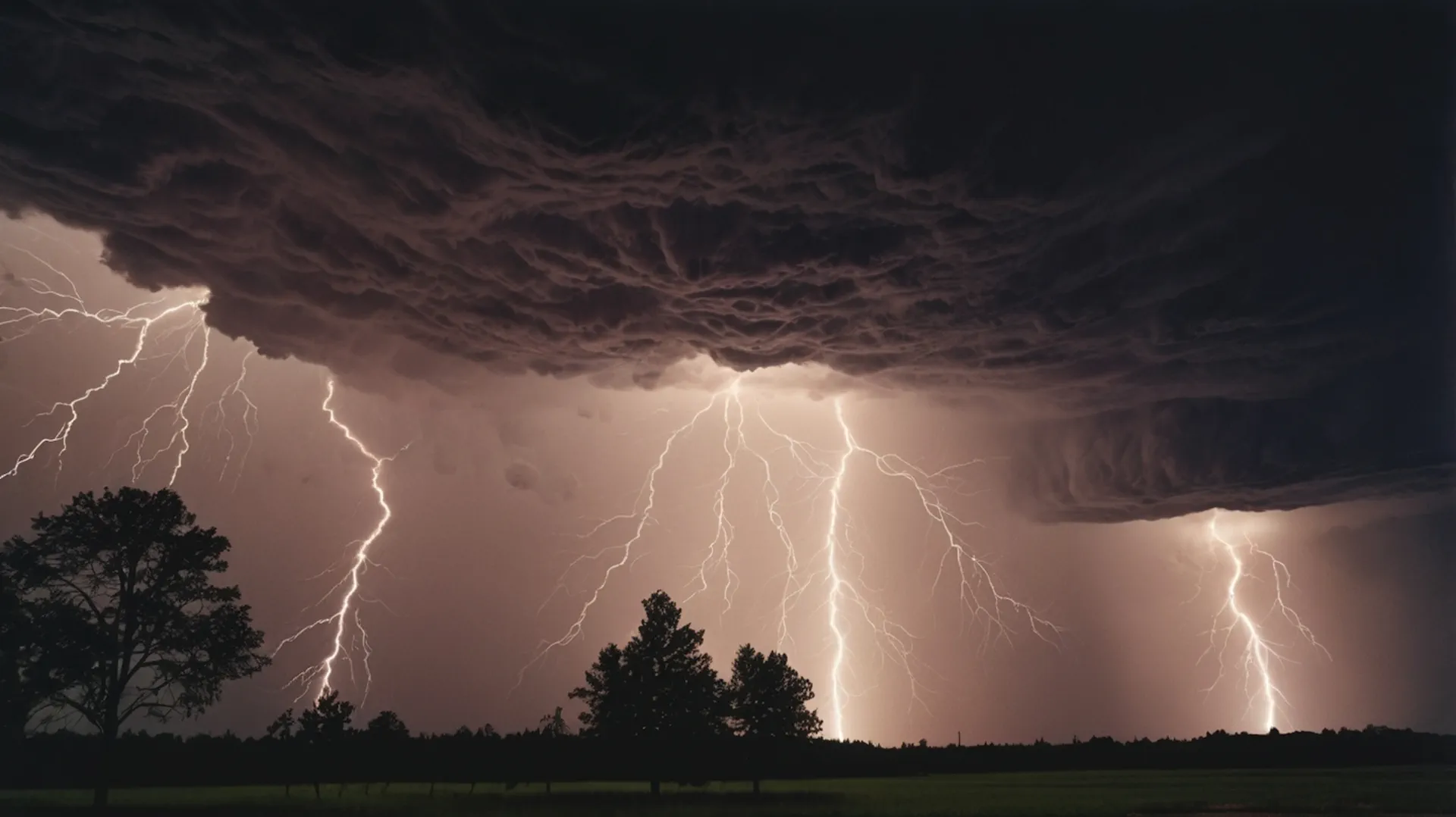
Storm like Tornado Blows Away Cars and People in Beijing
Beijing, China – A powerful storm system packing hurricane-force winds has brought chaos to northern China, grounding hundreds of flights, suspending train services, and forcing millions to hunker down indoors. The capital city, home to 22 million residents, was hit hard Saturday as gusts reaching up to 93 mph—the strongest in over 50 years—swept through, prompting widespread closures and safety warnings. The severe weather, driven by a cold vortex system originating in Mongolia, is expected to continue disrupting the region through the weekend.
As of 11:30 a.m. local time (3:30 a.m. GMT) on Saturday, April 12, 2025, a staggering 838 flights were canceled at Beijing’s two major airports, including the bustling Beijing Capital International Airport in Chaoyang. The cancellations left travelers stranded, with many forced to delay plans or seek alternative routes. “Because of the severe winds, all flights scheduled for last night and today were canceled,” a businessman from Zhejiang province told Reuters. “I’m now basically stranded in Beijing.”
The winds, classified as level 11 to 13 on China’s 17-level wind scale, are capable of causing “serious damage” to “extreme destruction,” according to the China Meteorological Administration. Beijing issued its first orange alert for strong winds in a decade, a rare and serious warning urging residents to avoid non-essential travel. State media even cautioned that individuals weighing less than 50 kilograms (110 pounds) could be “easily blown away” by the gusts—a vivid reminder of the storm’s intensity.
Beyond air travel, the storm disrupted ground transportation. The express subway line serving Beijing Capital International Airport was suspended, along with several high-speed rail routes. Parks and historic sites across the city were shuttered to protect visitors, and authorities took proactive measures to reinforce or trim older trees. Despite these efforts, nearly 300 trees toppled in the capital, with some causing damage to vehicles. Remarkably, no injuries have been reported, a testament to residents heeding calls to stay indoors.
“Everyone in Beijing was really nervous about it,” a local resident shared with Reuters. “Today there are hardly any people out on the streets. However, it wasn’t as severe as I had imagined.” The eerie quiet of the city’s usually bustling streets underscored the storm’s impact, as millions followed official guidance to remain safe at home.
The meteorological culprit behind this chaos is a potent cold vortex system sweeping down from Mongolia, channeling frigid air and ferocious winds across northern China. This system has unleashed gusts not seen in Beijing since the early 1970s, shattering records and testing the city’s resilience. The China Meteorological Administration forecasts that the strongest winds will peak on Saturday, with conditions expected to gradually ease by Sunday, April 13.
Storm – Hundreds of flights cancelled in China as strong winds hit capital
While the storm‘s severity has been classified as “low” in terms of broader humanitarian impact, its localized effects on Beijing—a global hub for travel and commerce—are undeniable. The cancellation of hundreds of flights has ripple effects, stranding business travelers, tourists, and families alike. Airports, typically alive with activity, stood nearly silent as monitors displayed a cascade of cancellations. For those caught in the storm’s grip, frustration mingled with an understanding of nature’s unpredictability.
Beijing’s response has been swift and coordinated. Authorities have prioritized public safety, closing attractions and reinforcing infrastructure to mitigate damage. The city’s tree-trimming efforts, while not entirely successful in preventing falls, likely reduced risks in public spaces. The absence of reported injuries speaks to the effectiveness of these measures and the public’s compliance with warnings.
Looking ahead, forecasters are optimistic that the worst will pass by Sunday, allowing Beijing to begin recovering. Airports are expected to resume normal operations as winds subside, though backlog from canceled flights may cause delays into the early part of the week. Travelers like the Zhejiang businessman remain in limbo, planning to rebook flights in the coming days.
For now, Beijing remains under the storm’s influence, its skyline obscured by swirling dust and debris carried by the relentless gales. The event serves as a stark reminder of nature’s power to disrupt even the most modern and prepared cities. As the winds howl, residents and officials alike are bracing for the final hours of this historic weather event, hopeful for calmer skies on the horizon.
The Founder and Chief Meteorologist at Pogodnik.com. With over 15 years of operational experience in synoptic analysis and climate forecasting, he specializes in storm tracking, magnetic storms, and atmospheric dynamics. A recognized expert in Ukraine’s meteorological sector, he maintains strategic collaborations with global agencies, including NOAA and ECMWF, to ensure high-precision data integration. His analytical reviews and scientific contributions are regularly featured in leading media outlets dedicated to weather science and environmental trends.