Flood and Hail Storm hit cars and homes in Valencia, Spain
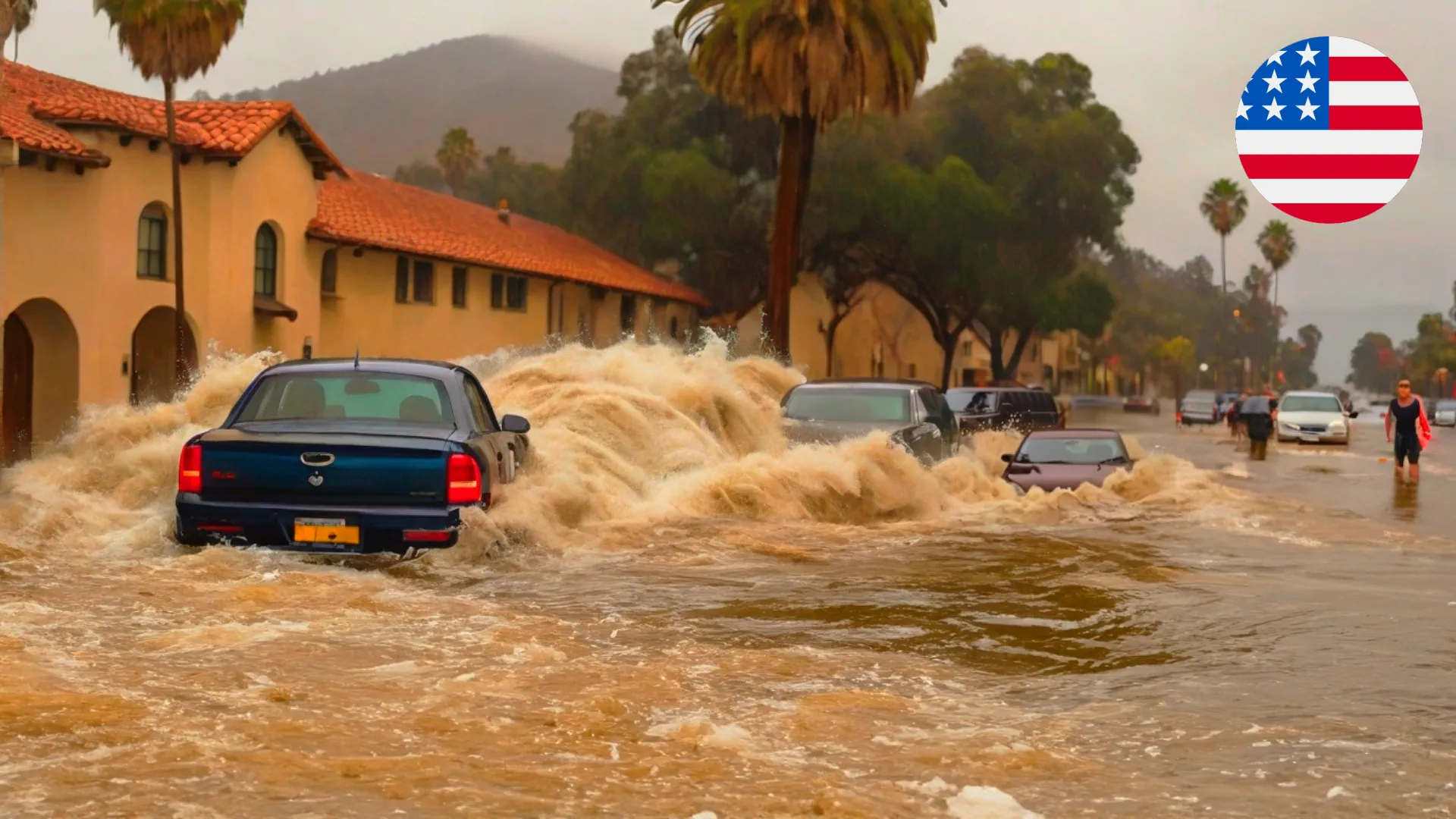
Just months after catastrophic floods claimed over 230 lives along Spain’s eastern coast, the region has been battered again—this time by a storm so violent it seemed torn from the pages of a disaster movie. On Thursday, freakish weather unleashed havoc over Valencia, with hailstones the size of fists raining down on unsuspecting towns. The deluge, paired with sudden flash flooding, sent shockwaves across a region still reeling from October’s deadly ‘cold drop’ storm system, known locally as DANA—a term now laden with trauma for many Spaniards.
A Region Under Siege Storm Flood
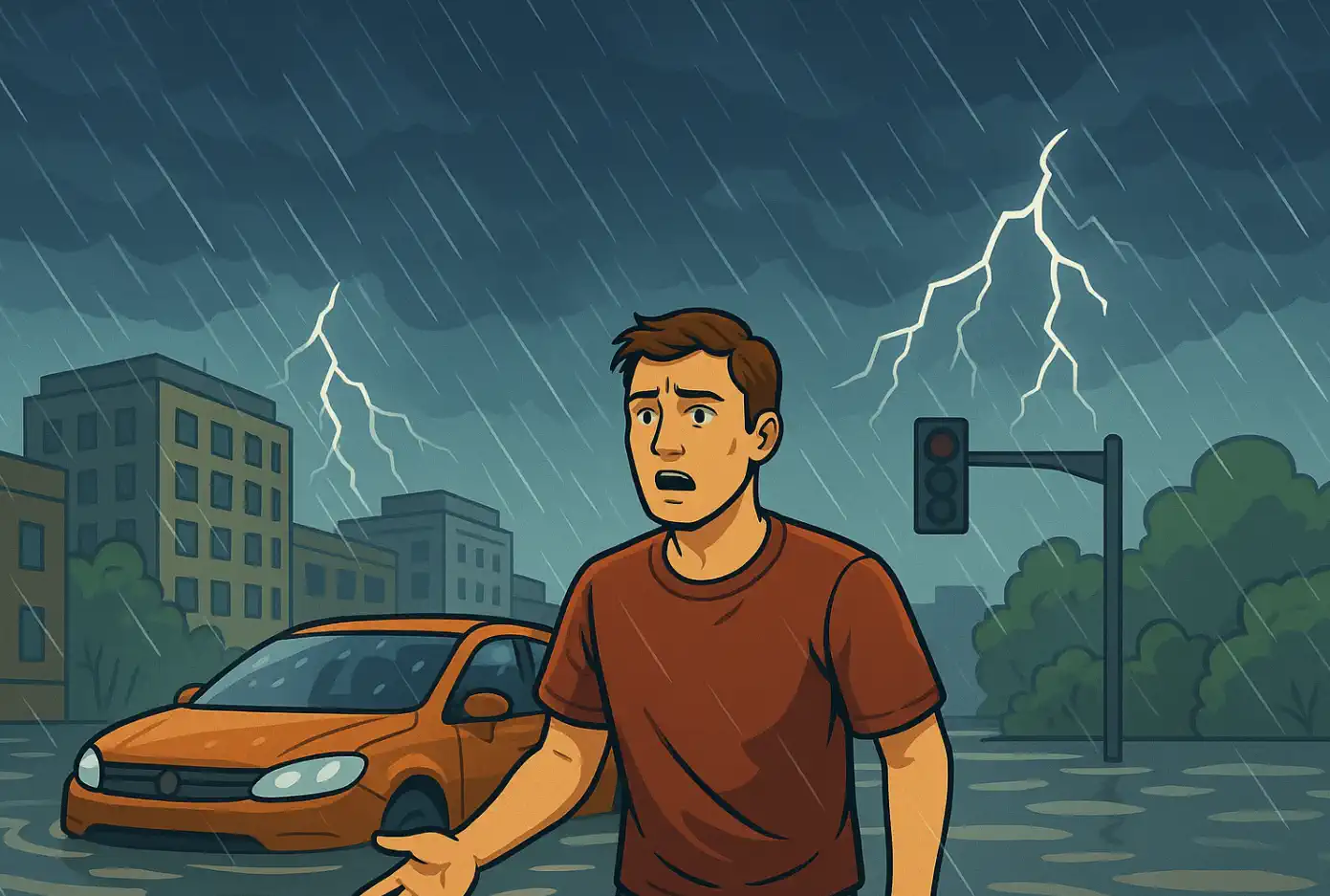
The storm struck with little warning. In sun-drenched communities like Guadassuar and Llíria, where May temperatures typically hover near 20°C, streets turned to rivers within minutes. Torrents of muddy water tore through town centres, swallowing sidewalks and sweeping away debris. Social media footage captured the chaos: cars stranded and battered in icy torrents several inches thick, residents in towns like Villar del Arzobispo powerless to navigate a sudden wintry nightmare in spring. The Spanish meteorological agency, AEMET, issued an orange alert, warning of significant danger from extreme weather. British tourists were urged to avoid travel to the region as chaos unfolded.
Scientists have dubbed this storm an anomalous cyclonic supercell—a rare and highly unstable atmospheric event that veered dramatically southeast across the Iberian Peninsula, unlike typical storm paths. AEMET has warned of more violent storms expected over the weekend, particularly in Spain’s north and east, with large hail and fierce winds likely. The storm’s intensity and unpredictability underscore a growing pattern of extreme weather events that are reshaping life in Spain and beyond.
A Fragile Moment for Valencia
The storm arrived at a delicate moment for Valencians, many of whom were preparing to protest the regional government’s handling of past disasters. A planned mass demonstration against regional President Carlos Mazón was cancelled just days earlier, following a historic nationwide blackout that plunged most of Spain into darkness. Now, frustration is mounting once more as communities grapple with yet another crisis. For residents, the recurring disasters feel like a relentless assault, compounding the trauma of last year’s floods and raising questions about preparedness and resilience in the face of a changing climate.
Valencia’s plight is not an isolated incident but part of a broader European climate catastrophe. According to a joint report from the Copernicus Climate Change Service and the World Meteorological Organization, 2024 was Europe’s wettest and warmest year since records began. Floods claimed at least 335 lives continent-wide, affected over 410,000 people, and inflicted more than €18 billion in damages. Western Europe bore the brunt, with floodwaters overwhelming nearly a third of the continent’s river network.
Meanwhile, southeastern Europe endured its longest heatwave on record—13 sweltering days—while Scandinavia’s glaciers melted at unprecedented rates, and eastern Europe parched under drought. This chaotic collage of extreme heat, drought, and flooding highlights a continent in climatic freefall.
The Science of a Supercell
The anomalous cyclonic supercell that struck Valencia is a stark reminder of how climate change is amplifying weather extremes. Unlike typical storms, supercells are characterized by a rotating updraft, or mesocyclone, that can sustain intense precipitation, hail, and winds for hours. The Valencia event was fuelled by a combination of warm Mediterranean sea surface temperatures and an unstable atmosphere, conditions increasingly common as global temperatures rise. The planet is now 1.3°C warmer than in pre-industrial times, an escalation driven overwhelmingly by human activity, particularly the burning of fossil fuels.
This warming has intensified the hydrological cycle, leading to more frequent and severe precipitation events. In Valencia, the supercell’s hailstones—some as large as 10 cm in diameter—caused significant damage to infrastructure and vehicles. Flash flooding, triggered by intense rainfall rates, overwhelmed drainage systems and turned urban areas into waterways. Such events are becoming more common across Europe, as evidenced by Storm Boris in September, which brought the heaviest rainfall central Europe has ever seen, flooding Austria, Germany, Czechia, and Slovakia.
The Copernicus report underscores the interconnectedness of these extremes. Warmer air holds more moisture, increasing the potential for heavy rainfall, while rising temperatures exacerbate heatwaves and droughts. In 2024, Europe experienced a record-breaking number of ‘wet days’—days with significant precipitation—alongside prolonged dry spells in some regions. This juxtaposition of wet and dry extremes is a hallmark of climate change, straining infrastructure, agriculture, and human resilience.
Human and Economic Toll
The human toll of Valencia’s latest storm is still emerging, but early reports suggest widespread disruption. Emergency services worked through the night to rescue stranded residents and clear debris, while local authorities scrambled to restore power and water services. The economic impact is likely to be significant, with damages to homes, businesses, and agriculture compounding the region’s recovery challenges. Valencia’s citrus industry, a cornerstone of the local economy, faces particular risk from hail and flooding, which can devastate crops and orchards.
The psychological impact is equally profound. For many Valencians, the storm is a grim reminder of last year’s floods, which left communities grappling with loss and displacement. The term ‘DANA’ has become synonymous with fear, evoking memories of homes destroyed and lives upended. The cancellation of the planned protest against regional authorities reflects the exhaustion and despair felt by many, as successive crises erode trust in governance and infrastructure.
Across Europe, the cumulative impact of 2024’s climate disasters has been staggering. The Copernicus report estimates that over 410,000 people were directly affected by floods, with millions more facing indirect consequences such as disrupted supply chains and rising food prices. The €18 billion in damages represents a fraction of the long-term costs, which include rebuilding infrastructure, relocating communities, and adapting to a more volatile climate.
A Warning for the Future
Spain’s latest brush with disaster is a flashpoint in a growing pattern of climate-driven extremes. The increasing frequency and intensity of storms, floods, and heatwaves across Europe signal a need for urgent action. Scientists warn that without significant reductions in greenhouse gas emissions, such events will become more common, pushing societies and ecosystems to their limits. The 1.3°C of warming already achieved is a fraction of the 2–3°C projected by 2100 under current trajectories, a scenario that would render parts of southern Europe uninhabitable during summer months.
Adaptation is equally critical. In Valencia, improving early warning systems, strengthening infrastructure, and enhancing urban planning could mitigate the impacts of future storms. However, these measures require political will and investment, both of which have been strained by successive crises. The cancelled protest against regional authorities highlights a broader challenge: rebuilding trust between communities and governments in the face of systemic failures.
On a continental scale, the European Union has committed to ambitious climate goals, including carbon neutrality by 2050. Yet the pace of progress lags behind the accelerating impacts of climate change. The Copernicus report calls for greater integration of climate science into policy, urging governments to prioritize resilience alongside emissions reductions. For Spain, this means not only addressing immediate recovery needs but also preparing for a future where supercells, floods, and heatwaves are no longer anomalies but regular occurrences.
A Continent in Crisis
As Valencia braces for more storms in the coming days, the region stands as a microcosm of Europe’s broader climate crisis.
From the flooded rivers of central Europe to the parched fields DANA: A cold drop storm system, or DANA (Depresión Aislada en Niveles Altos), is a weather phenomenon common in the Mediterranean, characterized by heavy rain and thunderstorms.
Supercell: A thunderstorm with a persistent rotating updraft, capable of producing severe weather, including large hail, strong winds, and tornadoes. Copernicus Climate Change Service: A European Union program providing authoritative climate data and services. AEMET: Agencia Estatal de Meteorología, Spain’s meteorological agency. Orange alert: A warning level indicating significant weather-related danger.
Cyclonic supercell: A rare, highly unstable storm system with a rotating updraft, often producing extreme weather. Hydrological cycle: The global movement of water, intensified by climate change, leading to more extreme precipitation events.
Sea surface temperatures: Warmer Mediterranean waters contribute to intensified storms by providing more moisture and energy.
Citrus industry: A key economic sector in Valencia, vulnerable to hail and flooding.
Greenhouse gas emissions: Gases like CO2 and methane that trap heat, driving global warming.
Carbon neutrality: Achieving net-zero carbon emissions through reductions and offsets. Early warning systems: Technologies and protocols to alert communities of impending disasters. Urban planning: Designing cities to withstand climate impacts, such as improved drainage systems. Climate resilience: The capacity of systems and communities to adapt to climate change impacts.
The Founder and Chief Meteorologist at Pogodnik.com. With over 15 years of operational experience in synoptic analysis and climate forecasting, he specializes in storm tracking, magnetic storms, and atmospheric dynamics. A recognized expert in Ukraine’s meteorological sector, he maintains strategic collaborations with global agencies, including NOAA and ECMWF, to ensure high-precision data integration. His analytical reviews and scientific contributions are regularly featured in leading media outlets dedicated to weather science and environmental trends.