Severe Weather Outbreak: Ex-Hurricane Erin Brings Multi-Day Storm System to Central Europe

Deep Trough Formation Triggers Widespread Severe Weather Event
The meteorological pattern currently establishing across Europe represents a textbook example of how tropical systems can dramatically reshape continental weather patterns. Ex-Hurricane Erin, which completed its transition to a post-tropical cyclone over the weekend, has generated a deep upper-level trough that is now progressing eastward across western Europe, setting the stage for a multi-day severe weather outbreak.
Europe Weather Alert: Ex-Hurricane Erin Brings Severe Storm System#EuropeWeather #HurricaneErin #SevereWeather #WeatherAlert #Flooding #Italy #Alps #Thunderstorms #WeatherForecast #StormWatch #ExtremeWeather #EuropeanWeather #MeteoAlert #WeatherWarning #WeatherUpdate pic.twitter.com/kR9AMjtwjM
— City Weather (@ukcityweather) August 28, 2025
The system’s tropical origin is particularly significant, as these transitions often retain more robust atmospheric energy compared to typical North Atlantic mid-latitude systems. This enhanced energy content, combined with the current synoptic setup, creates an environment conducive to widespread severe thunderstorm development across the Alpine region and northern Mediterranean basin.
Synoptic Analysis and Pattern Evolution
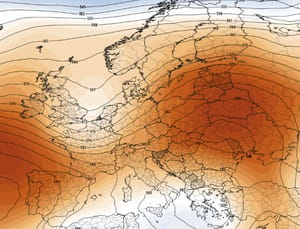
The current analysis shows a well-defined upper-level trough extending from the North Atlantic into western Europe, with the system gradually amplifying as it moves eastward. Surface analysis reveals an extensive low-pressure system centered over Ireland and the UK, with a secondary Mediterranean low developing in response to the upper-level forcing.
This configuration establishes several key meteorological factors. First, the positioning creates strong southerly flow across the northern Mediterranean, enhancing moisture transport from the Tyrrhenian and Adriatic Seas toward the Alpine regions. Second, the amplifying trough generates powerful upper-level divergence, particularly evident in the 200mb wind analysis, which shows classic jet stream dynamics supporting widespread lift.
The jet stream configuration is particularly noteworthy, with winds exceeding 60 m/s at the 200mb level creating strong speed convergence zones. This pattern typically supports organized convective development and can maintain storm systems for extended periods.
Environmental Parameters and Severe Weather Potential
ECMWF model data indicates robust instability development, with Convective Available Potential Energy (CAPE) values reaching 3000-4000 J/kg across much of northern Italy and the southern Alpine region. These values, while not unprecedented, are significant for the region and provide ample energy for explosive thunderstorm development.
Wind shear analysis reveals a particularly concerning setup for organized severe weather. The combination of strong speed shear aloft and directional shear in the lower troposphere creates an environment supportive of supercell thunderstorms. The hodograph analysis shows curved wind profiles typical of storms capable of producing large hail, damaging winds, and tornadoes.
The moisture profile shows deep warm cloud layers extending through much of the troposphere, indicating potential for efficient precipitation processes and heavy rainfall rates. Precipitable water values of 35-45mm across the region are well above normal for late August.
Rainfall Analysis and Flood Potential
The most significant threat from this system appears to be extreme rainfall accumulations. ECMWF ensemble forecasts consistently show 100-200mm totals across wide areas, with localized amounts potentially reaching 250-350mm in orographically favored locations.
The rainfall distribution pattern reflects both the synoptic forcing and topographic enhancement. The southern Alpine slopes, particularly in the Aosta Valley, northern Lombardy, and Friuli-Venezia Giulia regions, show the highest predicted accumulations due to orographic lifting of the southerly flow.
Training thunderstorms represent a particular concern, as the slow-moving nature of the pattern could result in repeated storm development over the same watersheds. This scenario poses significant flash flooding risks, particularly in steep Alpine valleys with rapid runoff characteristics.

Regional Breakdown and Meteorological Impacts
Italy and Mediterranean Region
Northern Italy faces the most severe impacts, with the Po Valley and adjacent Alpine foothills in the primary risk zone. Rome should experience moderate impacts with 40-60mm rainfall and temperatures dropping from 32°C to 24°C. The transition from southerly to westerly flow will bring gusty winds up to 80 km/h.
The Ligurian coast presents a unique hazard profile with the potential for waterspouts and coastal flooding from storm surge combined with heavy rainfall. The complex terrain of the northern Apennines will enhance precipitation through orographic processes.
Alpine Region (Switzerland, Austria)
Switzerland faces significant challenges as the system approaches from the southwest. Bern can expect 80-120mm of rainfall with temperatures around 19°C. The primary concern involves the southern cantons, particularly Ticino, where southerly flow enhancement could produce extreme rainfall totals.
Austria will experience the system’s impacts primarily on Friday, with Vienna receiving 60-80mm and western regions potentially seeing 150-200mm. The Inn and Salzach river basins face particular flood risks due to rapid Alpine runoff.
Adriatic Region (Slovenia, Croatia)
Slovenia positions directly in the storm track, with Ljubljana facing 120-160mm of rainfall and wind gusts to 90 km/h. The karst topography presents unique flooding challenges as rapid water level rises can occur with little warning.
Croatia’s Adriatic coast will experience marine impacts including waterspouts and storm surge up to 2-3 meters. Zagreb should prepare for 100-140mm rainfall with temperatures around 22°C and sustained winds of 70-80 km/h.
Western Europe (France, Spain)
Southern France will experience the outbreak’s western edge, with Marseille and Nice receiving 100-150mm accompanied by large hail and damaging winds. Paris remains largely outside the primary impact zone with moderate rainfall totals around 40mm.
Spain’s northeastern regions, particularly Catalonia, face severe thunderstorm risks with supercell potential. Madrid will experience a dramatic temperature drop from 35°C to 28°C as the system passes.

Current Warning Status and Meteorological Alerts
Based on the MeteoAlarm system, current warnings remain relatively limited but should expand significantly over the next 24-48 hours. Ireland currently maintains Yellow warnings for strong westerly winds, reflecting the system’s current position.
Expected alert escalations include Red warnings for parts of northern Italy, Orange warnings across the Alpine arc, and Yellow warnings extending into the Balkans. The progression of alerts will likely follow the eastward movement of the system.
Recent European Weather Events and Climate Context
The past week has reinforced the extreme nature of Europe’s current weather pattern. Portugal established a new August temperature record of 47.4°C in the Alentejo region, while Greece endured its longest consecutive period above 40°C with 12 days of extreme heat.
Sicily’s 46.8°C reading represents the second-highest temperature ever recorded on the island, contributing to extensive wildfire activity across Calabria and Sardinia affecting over 15,000 hectares.
Conversely, northern Europe has already transitioned toward autumn patterns, with Norway receiving the first mountain snow above 800 meters, approximately two weeks ahead of normal timing. Scotland recorded its coldest August night in 15 years at 2°C in highland areas.
The recent Storm impact across Ireland and northern England, generating winds to 130 km/h and affecting over 200,000 homes, serves as a precursor to the current system’s potential impacts.
Meteorological Outlook and System Evolution
The current system represents the beginning of a pattern change toward more active weather across Europe. Medium-range forecasts suggest additional trough development by mid-next week, potentially bringing similar impacts to the northern Mediterranean region.
The transition from the extended high-pressure dominance to this more dynamic pattern reflects typical late-summer atmospheric adjustments as the polar jet stream strengthens and becomes more meridional.
Professional Assessment and Recommendations
This weather system demonstrates classic characteristics of high-impact events: slow movement, strong forcing mechanisms, abundant moisture, and favorable thermodynamic environment. The combination of these factors with complex European topography creates conditions for significant meteorological impacts.
The rainfall forecasts, while aggressive, remain within the realm of possibility given the robust synoptic support and orographic enhancement. The severe weather parameters indicate legitimate supercell potential, particularly across the Adriatic regions where atmospheric profiles show optimal combinations of instability and shear.
Residents in affected areas should monitor local meteorological services closely and prepare for rapid-onset flooding conditions, particularly in mountainous and coastal regions. The multi-day nature of this event requires sustained vigilance rather than preparation for a single impact period.